



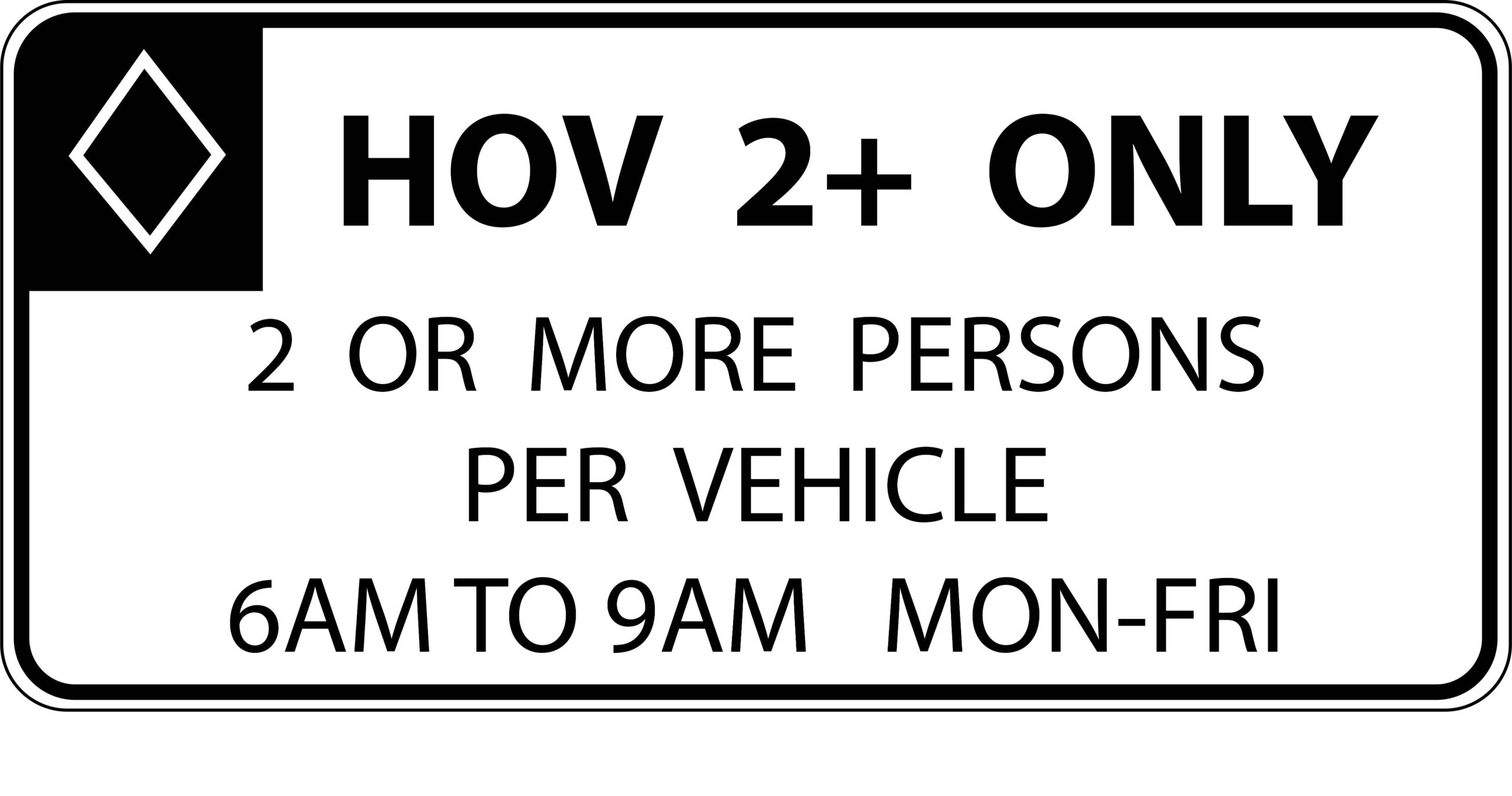
If you’ve ever asked yourself, “What does HOV stand for?” — you’re not alone. HOV stands for High-Occupancy Vehicle, and these specialized highway lanes have been transforming daily commutes across America for decades. Whether you’re a carpooler, a solo driver puzzled by diamond lane rules, or a municipal planner looking to optimize roadway efficiency, understanding
READ MOREBlog
Beyond the Exclamation Point: How Effective Warning Signs Use Shape, Color, and Symbol Psychology
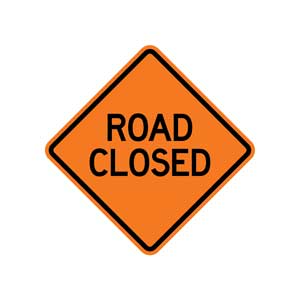
When most people think of a warning sign, the classic yellow diamond with an exclamation point comes to mind. It’s simple, recognizable, and universally associated with caution. But there’s far more happening behind the scenes than most drivers — or even pedestrians — realize. Every shape, color, and symbol used on a sign is carefully
READ MOREStop, Look, Listen: Modern Upgrades to the Classic Railroad Crossing Sign You Should Know About

For generations, the familiar railroad crossing sign — a simple white X marked with “RAILROAD CROSSING” — has been an essential part of America’s transportation landscape. It’s a symbol ingrained in driver education, popular culture, and public safety campaigns. But while the design remains iconic, the technology and strategies surrounding railroad crossings have evolved dramatically.
READ MOREThe Ultimate Guide to Road Signs and Their Meanings
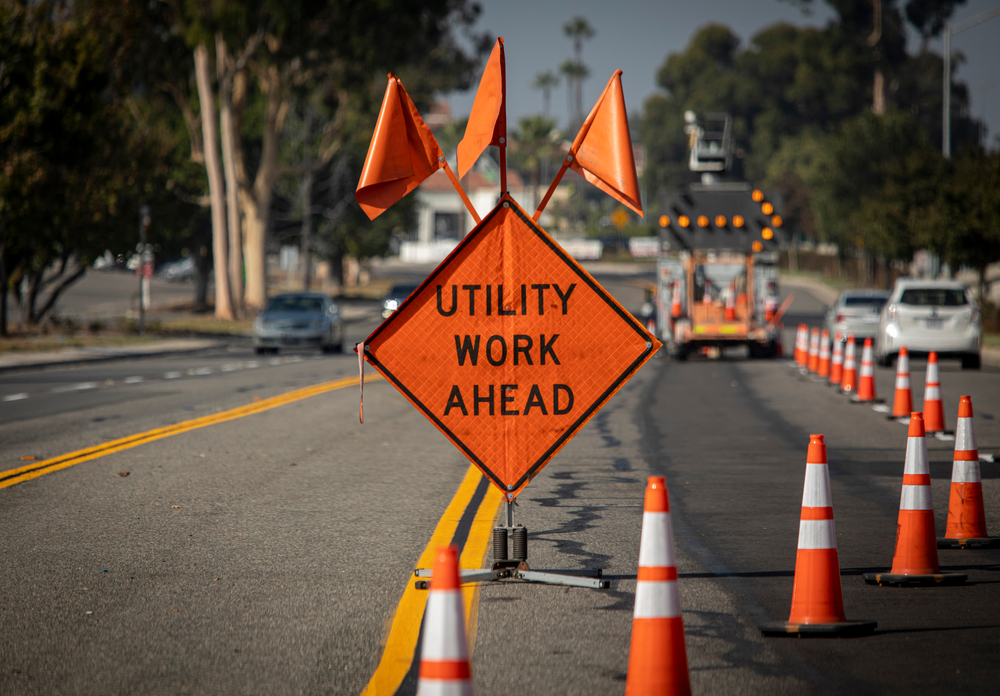
Understanding road signs and what they mean is essential for ensuring the safety of motorists, pedestrians, construction crews, and traffic control personnel alike. Road signs are not just visual cues; they are structured language—standardized symbols and messages designed to communicate vital information in real time, promote efficient traffic flow, and prevent accidents. Why Road Signs
READ MORETraffic Signs: The Key to Organized and Safe Roads
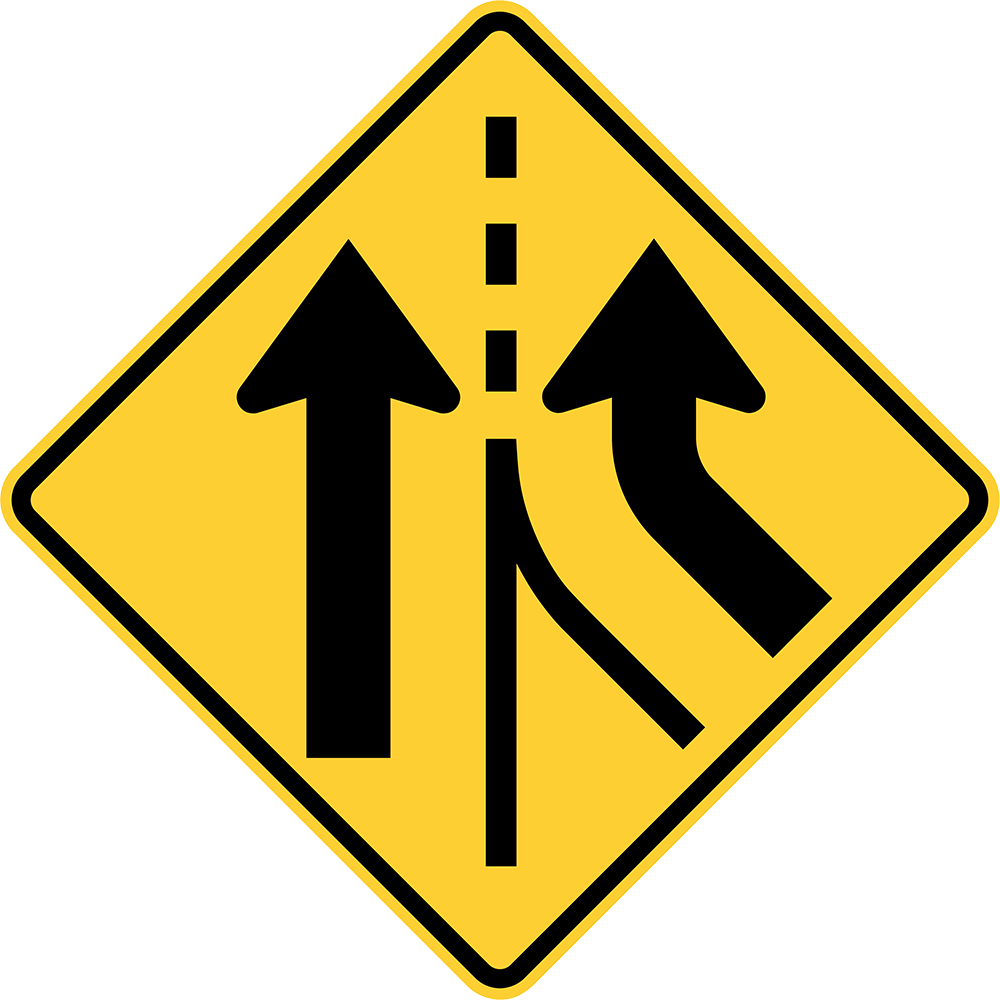
In every community—from bustling urban centers to quiet rural towns—traffic signs form the silent language of the road. These crucial devices are the foundation of traffic management, helping to maintain order, minimize accidents, and guide road users safely and efficiently. Whether directing vehicles through construction zones, signaling speed limits, or warning of upcoming hazards, traffic
READ MORE