


High-Intensity Prismatic Reflective Sheeting: Better Visibility for Safer Roads Imagine driving along a Vermont highway after sunset. The roadway is dark, your headlights are illuminating only a portion of what’s ahead, and you’re approaching an unfamiliar intersection. A clearly visible stop sign or warning sign can help you recognize changing road conditions and respond appropriately.
READ MORECategory: Traffic Signs
What Happens When Non-Compliant Signs Are Used on Public Roads
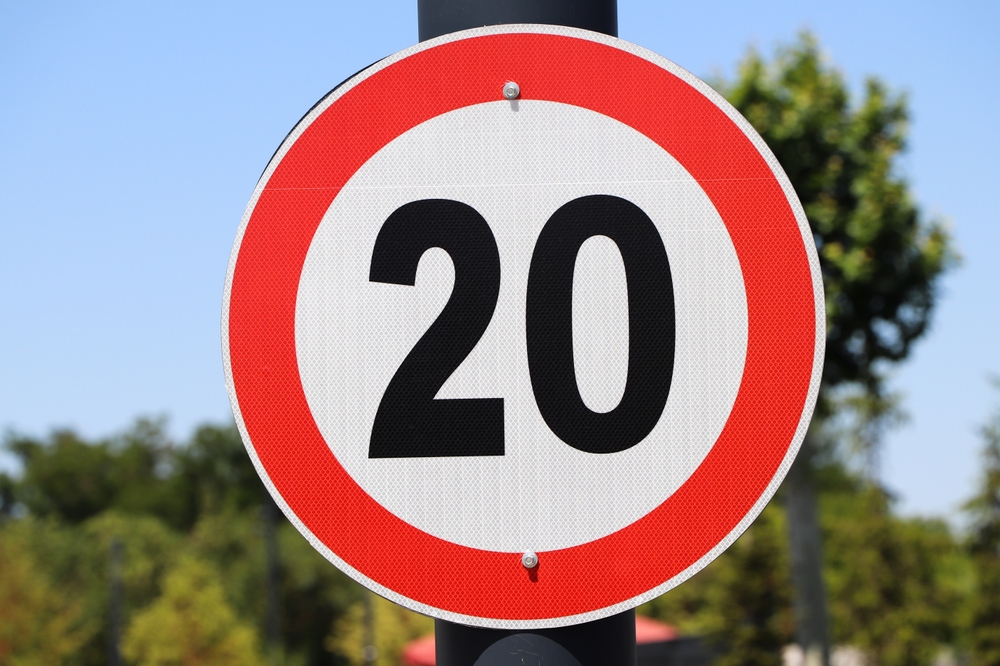
Non-compliant traffic signs increase accident risk, create legal liability, and disrupt traffic flow. When signs fail to meet MUTCD standards for visibility, placement, or design, drivers may misinterpret critical information. This can lead to confusion, collisions, fines, and project delays for contractors and municipalities. Higher risk of crashes due to unclear or inconsistent messaging Legal
READ MOREWhy Reflective Signs Are Critical for Nighttime Safety
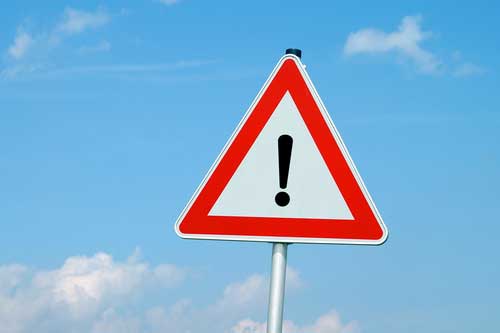
Nighttime conditions introduce a unique and significantly higher level of risk for drivers, pedestrians, and roadway workers. Reduced visibility, glare from headlights, driver fatigue, and changing weather patterns all contribute to a higher likelihood of serious accidents after dark. In this environment, reflective safety signs are not optional enhancements—they are essential safety infrastructure. Reflective signs
READ MOREBeyond the Exclamation Point: How Effective Warning Signs Use Shape, Color, and Symbol Psychology
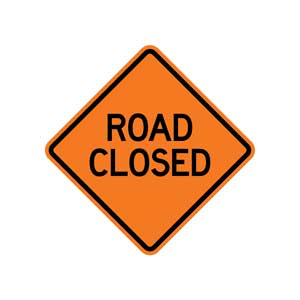
When most people think of a warning sign, the classic yellow diamond with an exclamation point comes to mind. It’s simple, recognizable, and universally associated with caution. But there’s far more happening behind the scenes than most drivers — or even pedestrians — realize. Every shape, color, and symbol used on a sign is carefully
READ MOREStop, Look, Listen: Modern Upgrades to the Classic Railroad Crossing Sign You Should Know About

For generations, the familiar railroad crossing sign — a simple white X marked with “RAILROAD CROSSING” — has been an essential part of America’s transportation landscape. It’s a symbol ingrained in driver education, popular culture, and public safety campaigns. But while the design remains iconic, the technology and strategies surrounding railroad crossings have evolved dramatically.
READ MORE