



High-Intensity Prismatic Reflective Sheeting: Better Visibility for Safer Roads
Imagine driving along a Vermont highway after sunset. The roadway is dark, your headlights are illuminating only a portion of what’s ahead, and you’re approaching an unfamiliar intersection. A clearly visible stop sign or warning sign can help you recognize changing road conditions and respond appropriately. However, when traffic signs become faded, damaged, or difficult to see, recognizing important roadway information becomes more challenging.
For municipal public works departments, highway maintenance contractors, and transportation agencies throughout New England, maintaining visible traffic signs is an important part of roadway safety. This is where high-intensity prismatic reflective sheeting can make a difference.
High-intensity prismatic, or HIP, sheeting uses specialized reflective technology to return light toward its source, helping traffic signs remain visible when illuminated by vehicle headlights. It’s commonly used for regulatory, warning, and guidance signs where nighttime visibility is an important consideration.
Some key advantages include:
- Improved nighttime visibility: HIP reflective material helps direct vehicle headlight illumination back toward approaching drivers.
- Durable construction: Quality prismatic sheeting is designed for outdoor exposure and long-term traffic sign applications.
- Versatile applications: Reflective materials can be used for stop signs, warning signs, guidance signs, and certain work zone devices.
- Traffic sign compliance: Properly specified sheeting can help agencies maintain applicable minimum retroreflectivity requirements.
- Long-term maintenance planning: Selecting suitable materials can support more predictable sign replacement and inspection programs.
At Worksafe Traffic Control Industries, we manufacture and supply reflective traffic signs for municipalities, transportation agencies, contractors, and other organizations throughout New England. From our headquarters in Barre, VT, we offer regulatory signage, custom sign manufacturing, and traffic control products designed for different roadway applications.
What Is High-Intensity Prismatic Reflective Sheeting?
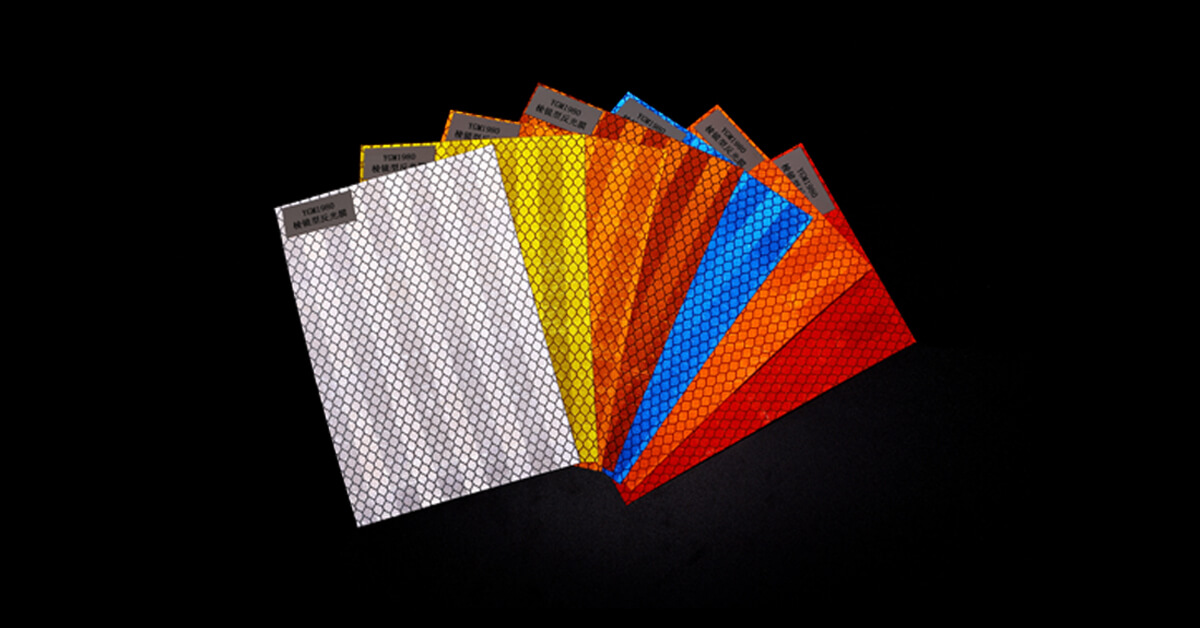
High-intensity prismatic reflective sheeting is a specialized material designed to improve traffic sign visibility by reflecting incoming light back toward its source. Unlike conventional reflective materials that rely on glass beads, prismatic sheeting uses tiny engineered structures to redirect light, making it particularly useful for nighttime roadway applications.
How Prismatic Reflection Works
When vehicle headlights strike a traffic sign, the reflective material helps return some of that light toward the driver.
HIP sheeting uses microscopic prism-like structures, often called microprisms, to accomplish this.
This process is known as retroreflection, and it differs from ordinary reflection, which may scatter light in other directions.
The result is a sign surface designed to remain recognizable under vehicle headlight illumination.
HIP Reflective Material vs. Standard Reflective Sheeting
Not all reflective materials use the same technology.
Traditional engineering-grade reflective sheeting commonly relies on glass beads, while high-intensity prismatic materials use microprismatic structures.
These materials can differ in their retroreflective performance, durability, and suitability for various applications.
However, HIP isn’t the highest available reflective grade. Higher-performance prismatic materials, including certain diamond-grade products, may be specified for applications requiring different visibility characteristics.
For Vermont transportation departments, selecting the appropriate material involves reviewing the intended sign application and applicable standards rather than simply choosing the brightest advertised product.
Why Is Nighttime Traffic Sign Visibility Important?
Nighttime traffic sign visibility is important because drivers need to recognize roadway instructions, potential hazards, and traffic changes when natural illumination is limited. Reflective signs help communicate this information by using light from approaching vehicles rather than depending entirely on nearby streetlights.
Helping Drivers Recognize Regulatory Signs
Stop signs, yield signs, and other regulatory signs communicate instructions that drivers must follow.
When a sign is difficult to recognize, motorists may have less opportunity to identify the required action.
For example, a driver approaching a rural intersection outside Barre may encounter a stop sign in an area without overhead lighting.
Properly maintained reflective materials help support sign recognition under these conditions.
Improving Warning Sign Visibility
Warning signs identify approaching curves, intersections, pedestrian crossings, and other conditions that require attention.
Along Vermont Route 14 or rural roads surrounding Montpelier, roadway geometry and limited lighting can make advance warnings particularly valuable.
High-intensity reflective signs can help communicate those warnings when illuminated by headlights.
Supporting Temporary Traffic Control
Construction and maintenance projects frequently introduce temporary lane restrictions, detours, or changes in traffic flow.
Reflective road signs help communicate these temporary conditions, particularly during evening or overnight operations.
However, reflective material is only one component of an effective work zone. Sign placement, size, lighting, and other traffic control devices must also be appropriate for the situation.
What Makes 3M High-Intensity Prismatic Sheeting Different?
3M High-Intensity Prismatic Reflective Sheeting is designed for durable traffic control signs, work zone devices, and related applications requiring dependable retroreflective performance. Its microprismatic construction and protective surface make it a widely used option for traffic sign manufacturing.
Understanding 3M HIP Technology
3M’s High-Intensity Prismatic Reflective Sheeting Series 3930 uses non-metalized microprismatic technology.
According to 3M, the product meets the retroreflective performance requirements of ASTM D4956 Type IV.
Its construction includes a protective top film and pressure-sensitive adhesive intended for suitable sign manufacturing applications.
3M Reflective Sheeting on Stop Signs
At Worksafe Traffic Control Industries, we offer reflective stop signs featuring 3M HIP sheeting.
This material helps improve sign visibility under vehicle headlights while supporting the performance expectations associated with its specified reflective grade.
For municipal purchasing departments, reviewing the sheeting type is an important part of selecting replacement stop signs.
However, the complete sign must also meet applicable requirements involving size, color, shape, legend, placement, and installation.
Durable Materials for Outdoor Conditions
Traffic signs in New England face demanding environmental conditions.
Repeated exposure to sunlight, rain, snow, road spray, and temperature changes can gradually affect sign materials.
High-quality HIP sheeting is manufactured for outdoor applications, but actual service life depends on the product, installation, orientation, exposure, and maintenance.
Municipal departments should follow manufacturer specifications and inspect signs periodically rather than assuming a particular material will remain effective indefinitely.
How Does HIP Sheeting Compare With Other Reflective Sign Materials?
HIP sheeting provides a middle-to-high performance option among commonly used traffic sign materials, offering microprismatic reflection and outdoor durability. However, the best reflective grade depends on the sign’s application, roadway conditions, and required performance.
Engineering-Grade Reflective Sheeting
Engineering-grade materials are commonly used for certain traffic signs and other reflective applications.
They typically provide lower retroreflective performance than higher-grade prismatic materials, depending on the specific products being compared.
These materials may be appropriate for some applications when they meet the applicable specifications.
High-Intensity Prismatic Sheeting
HIP sheeting is designed to provide stronger retroreflective performance than many conventional engineering-grade products.
It is commonly associated with ASTM D4956 Type IV specifications, although buyers should verify the exact product classification.
For municipal sign replacement programs, HIP can offer a practical combination of visibility and durability.
Higher-Performance Prismatic Materials
Certain premium prismatic materials are engineered for additional retroreflective performance or particular viewing conditions.
These options may be specified for overhead signs, complex roadway environments, or other demanding applications.
However, higher reflective performance doesn’t automatically mean every sign requires the most expensive material.
At our Barre location, we help customers review signage requirements and available materials so they can select suitable products for their applications.
What Do Traffic Sign Retroreflectivity Standards Require?
Traffic sign retroreflectivity standards establish minimum maintained performance levels for certain signs so roadway information remains visible under nighttime conditions. The Federal Highway Administration’s Manual on Uniform Traffic Control Devices, or MUTCD, provides requirements and guidance that public agencies use when managing their traffic sign systems.
Understanding Minimum Retroreflectivity
Retroreflectivity refers to how effectively a material returns light toward its source.
The MUTCD identifies minimum maintained retroreflectivity levels for applicable traffic signs.
These requirements help agencies develop systematic approaches to identifying and replacing signs that no longer provide sufficient reflective performance.
Sign Assessment and Management Methods
Public agencies can use appropriate assessment or management methods to maintain sign retroreflectivity.
Depending on the agency’s program, these approaches may include nighttime visual inspections, measured retroreflectivity, or replacement strategies based on established service-life information.
For municipalities throughout central Vermont, keeping accurate sign inventories can help organize inspections and replacement schedules.
Checking Applicable State Requirements
Contractors and purchasing departments should confirm the specific requirements applicable to their roadway projects.
Vermont, New Hampshire, Maine, Massachusetts, and other New England states may have adopted standards, supplemental specifications, or contract requirements that affect sign selection.
Choosing a particular reflective sheeting grade doesn’t automatically establish that an entire traffic sign installation meets all applicable regulations.
How Does New England Weather Affect Reflective Road Signs?
New England weather affects reflective road signs through snow accumulation, road spray, temperature changes, and gradual environmental exposure. Although HIP sheeting is designed for outdoor use, physical obstructions and surface contamination can still reduce visibility.
Snow and Ice Accumulation
Snow and ice can cover traffic signs or obscure important portions of their messages.
During Vermont winters, signs may be affected by blowing snow or accumulation from plowing operations.
Even high-quality reflective materials cannot perform effectively when their surfaces are heavily obstructed.
Rain, Fog, and Road Spray
Wet conditions may influence how signs appear to approaching drivers.
Heavy rain, fog, and airborne moisture can also limit visibility independently of the reflective material.
HIP sheeting can support nighttime sign recognition, but it cannot eliminate the effects of severe weather.
Dirt, Debris, and Physical Damage
Road salt residue, mud, vegetation, and accumulated debris may interfere with a sign’s appearance.
Signs can also be damaged by passing vehicles, maintenance equipment, or environmental exposure.
For public works departments around Barre, Waterbury, and Berlin, routine sign inspections are a practical way to identify these conditions.
When Should Municipalities Replace Reflective Traffic Signs?
Municipalities should replace reflective traffic signs when the signs no longer meet applicable performance requirements, become damaged, or cannot communicate their intended message effectively. Signs that appear acceptable during daylight inspections may still require attention because nighttime visibility can deteriorate over time.
Warning signs include:
- Reflective surfaces that appear noticeably dull under headlights.
- Faded or discolored sign backgrounds.
- Peeling, cracking, or damaged reflective material.
- Missing or difficult-to-read lettering and symbols.
- Physical damage affecting the sign’s shape or mounting.
- Obstructions from vegetation or accumulated debris.
- Signs identified for replacement through an agency’s retroreflectivity management program.
For municipal departments managing hundreds of signs, documenting these issues can help prioritize replacement work.
Inspectors should also evaluate whether signs remain properly positioned and visible from their intended approach directions.
How Can Custom Sign Manufacturing Support Roadway Projects?
Custom sign manufacturing helps transportation agencies and contractors obtain signage that matches project-specific layouts, dimensions, messages, and material requirements. This is particularly useful when standard stock signs don’t address a particular traffic control application.
Regulatory and Warning Signs
We manufacture and supply traffic signs for regulatory, warning, and roadway guidance applications.
Our selection includes stop signs and other reflective signage intended for use in appropriate roadway environments.
Customers can discuss material specifications, sign dimensions, and other requirements before placing an order.
Temporary Construction Signage
Road construction projects may require signs communicating detours, lane closures, work zone warnings, and other temporary conditions.
The correct sign design should reflect the approved traffic control plan and applicable standards.
We supply traffic control equipment and signage to contractors throughout New England, helping customers coordinate their project needs.
Custom Signs and Graphics
Our Always on Time Signs & Design division provides custom signage and graphics services.
This includes commercial signs, banners, and other customized visual communication products.
For municipalities and contractors needing specialized sign solutions, our manufacturing capabilities provide additional options beyond standard inventory.
However, custom traffic signs must still comply with applicable design and performance requirements when used on public roadways.
Why Work With Worksafe Traffic Control Industries for Reflective Signage?
Our experience manufacturing traffic signs and distributing traffic control equipment helps municipalities, contractors, and transportation departments identify appropriate products for their projects. From standard stop signs to specialized signage and work zone devices, we understand the importance of matching materials to their intended applications.
Experience Serving New England
We serve customers throughout Vermont and the surrounding New England states.
Our corporate headquarters is located at 115 Industrial Lane in Barre, VT, and we maintain an additional division in Bow, NH.
This regional presence allows us to support public works departments, construction contractors, and transportation professionals with their signage needs.
Reflective Signs and Traffic Control Products
Our offerings include reflective regulatory signs, warning signs, construction signage, and other traffic control equipment.
We also provide custom sign manufacturing capabilities for projects requiring specialized designs.
For purchasing managers, coordinating with a supplier familiar with roadway applications can simplify the process of identifying appropriate product specifications.
Assistance With Product Selection
Not every project requires the same sheeting grade, sign size, or configuration.
Our team can help customers review available materials and discuss the differences between standard reflective options and high-intensity prismatic products.
We encourage customers to provide project specifications so we can help identify suitable signage options.
Frequently Asked Questions About High-Intensity Prismatic Reflective Sheeting
1. What is high-intensity prismatic reflective sheeting?
High-intensity prismatic reflective sheeting is a traffic sign material that uses microscopic prism structures to return light toward its source. It helps improve nighttime sign visibility when illuminated by vehicle headlights and is commonly used for regulatory, warning, and guidance signs.
2. Is HIP reflective material better than engineering-grade sheeting?
HIP materials typically provide stronger retroreflective performance than many conventional engineering-grade products, although exact comparisons depend on the specific materials. The appropriate choice should reflect the sign application, applicable standards, and required performance rather than relying only on a general grade designation.
3. Does Worksafe offer stop signs with 3M HIP sheeting in Barre, VT?
Yes. We offer reflective stop signs featuring 3M high-intensity prismatic sheeting. Our Barre-based team can help municipalities and contractors review available sign options and discuss specifications before purchasing.
4. Does HIP sheeting meet MUTCD requirements?
HIP sheeting may be suitable for traffic signs subject to MUTCD retroreflectivity requirements, but compliance depends on the specific product and completed sign. Agencies must also consider sign design, placement, condition, and applicable state or project standards.
5. How does Vermont winter weather affect reflective traffic signs?
Snow, ice, road spray, salt residue, and physical damage can reduce sign visibility or obscure important information. Even durable reflective materials require periodic inspection and maintenance, especially in locations exposed to winter storms and snow removal operations.
6. Is high-intensity prismatic sheeting the highest reflective grade available?
No. Higher-performance prismatic materials are available for applications requiring different retroreflective characteristics. HIP is one of several reflective sheeting options, and the appropriate grade depends on the roadway environment and applicable specifications.
7. Can Worksafe manufacture custom reflective traffic signs?
Yes. We manufacture traffic signs and offer custom signage capabilities through our affiliated sign and design operations. Customers can discuss project requirements, materials, dimensions, and applicable specifications with our team.
8. Does Worksafe serve municipalities outside Vermont?
Yes. We serve contractors, public works departments, and transportation agencies throughout New England. In addition to our Barre headquarters, we operate a division in Bow, NH, supporting customers with reflective signage and other traffic control products.
Improve Roadway Visibility With the Right Reflective Signs in New England
Clear, visible traffic signs are an important part of keeping drivers informed as they travel through intersections, construction zones, and changing roadway conditions. For public works departments and transportation agencies throughout Vermont and New England, choosing suitable reflective materials can support better nighttime sign recognition and more organized maintenance planning. High-intensity prismatic reflective sheeting offers a practical combination of retroreflective performance and outdoor durability, making it a valuable option for many regulatory, warning, and guidance sign applications. However, effective signage also depends on proper design, installation, inspection, and compliance with applicable requirements.
At Worksafe Traffic Control Industries, we help municipalities, contractors, and transportation professionals find reflective signage suited to their needs. From our headquarters in Barre, VT, and our New Hampshire division, we provide reflective stop signs, traffic warning signs, custom sign manufacturing, and other essential roadway safety products. Whether you’re updating aging municipal signs, preparing for a construction project, or reviewing reflective material options, our team is ready to discuss your requirements and help you explore appropriate solutions.
Contact Worksafe Traffic Control Industries today to learn more about high-intensity prismatic reflective sheeting, 3M reflective stop signs, and custom traffic sign manufacturing for your next New England project.