




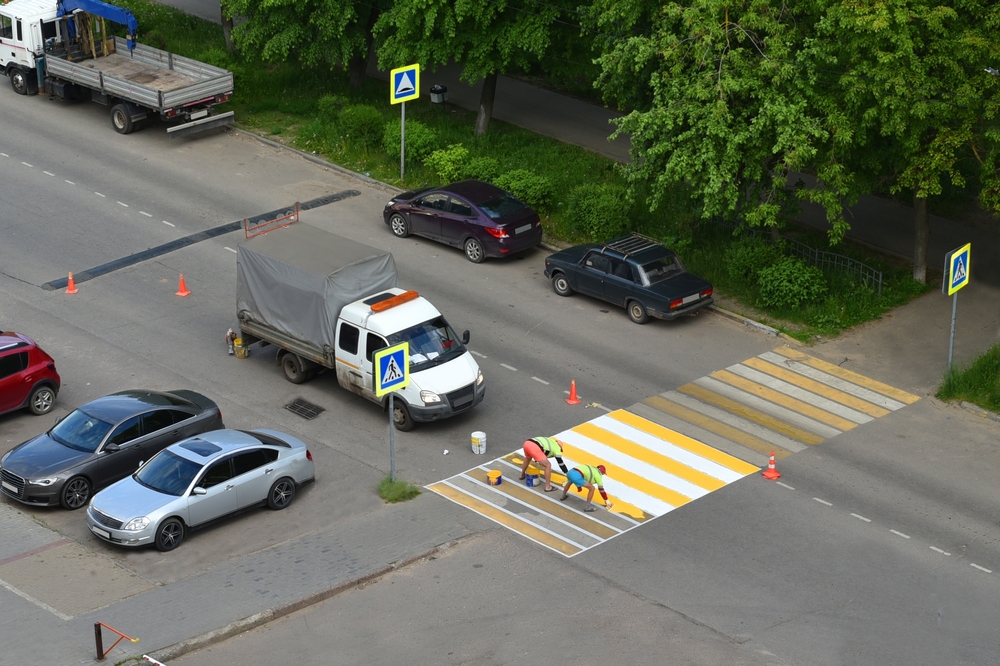
Smart work zones have become increasingly important in the construction industry, as they help to improve safety, reduce congestion, and enhance overall efficiency. However, one critical aspect of smart work zones that is often overlooked is the transition areas. These are the areas where traffic patterns change and drivers must adjust to new road conditions.
READ MORECategory: Work Zones
The Impact of Smart Work Zones
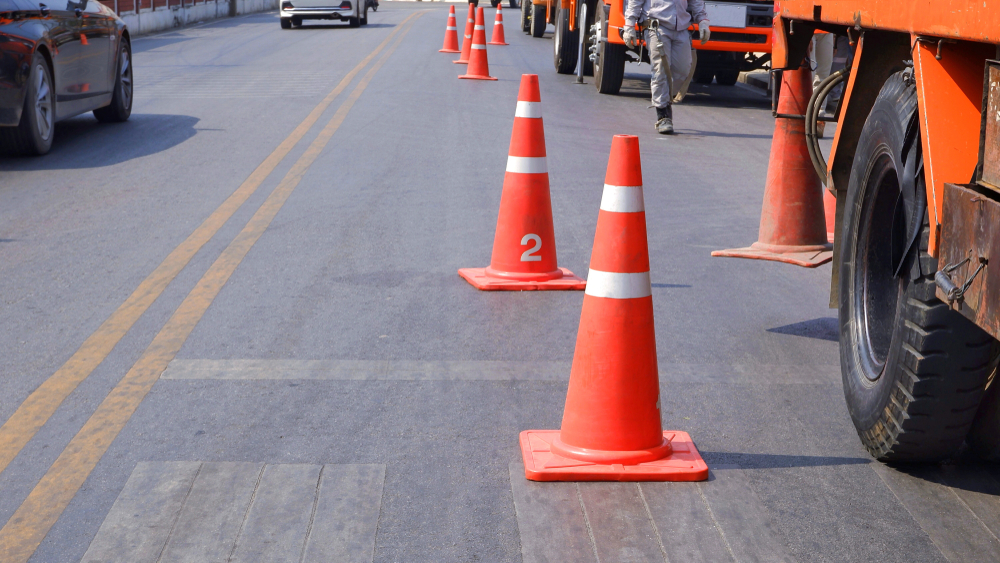
Work zones are a common sight on highways and roads, and they often mean delays, traffic congestion, and frustration for drivers. However, implementing smart work zones is changing this reality, using advanced technology and real-time data to improve safety and reduce traffic congestion. This article will explore the impact of smart work zones and the
READ MOREThe Impact of Smart Work Zones
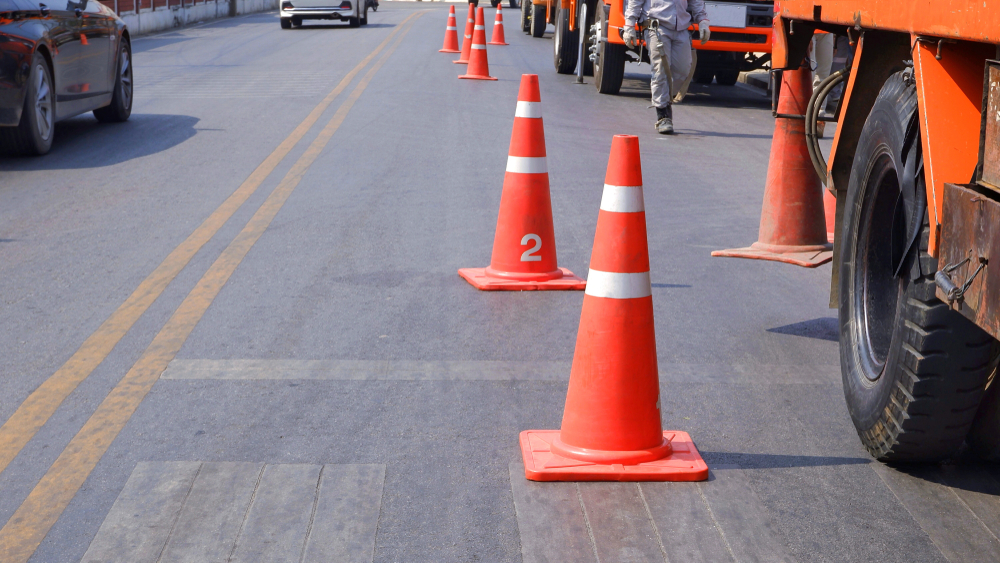
Work zones are a common sight on highways and roads, and they often mean delays, traffic congestion, and frustration for drivers. However, implementing smart work zones is changing this reality, using advanced technology and real-time data to improve safety and reduce traffic congestion. This article will explore the impact of smart work zones and the
READ MOREThe Advantages of Smart Work Zones
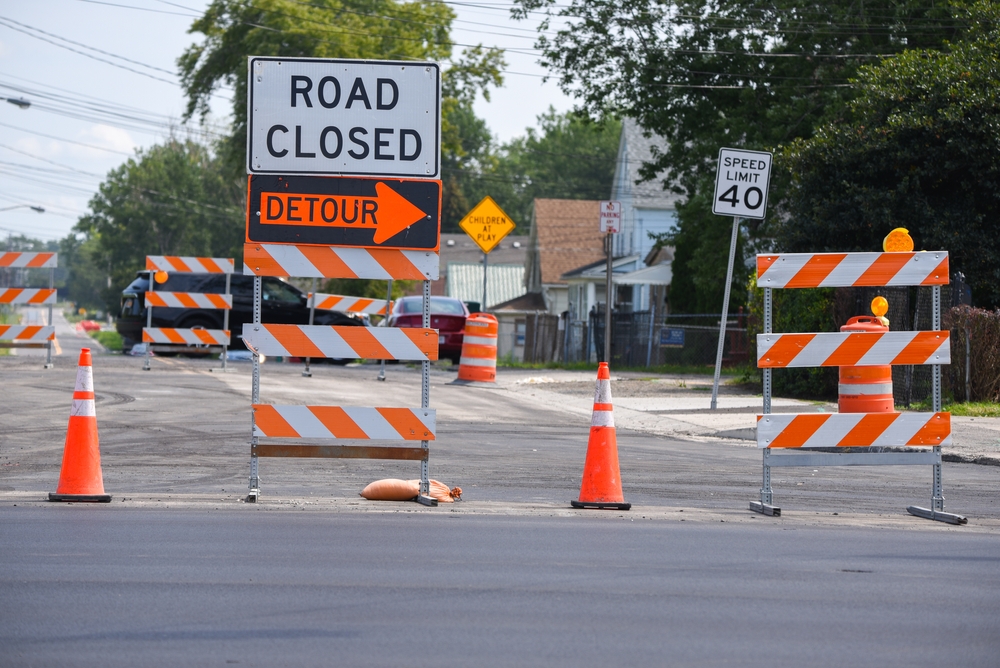
Smart work zones have emerged as an innovative and effective solution for managing traffic flow and construction projects on highways and roadways. By utilizing sensors and advanced systems, these zones provide real-time information to drivers, reducing congestion and enhancing safety. Many organizations stand to benefit from the use of smart work zones. This article will
READ MOREThe Advantages of Smart Work Zones
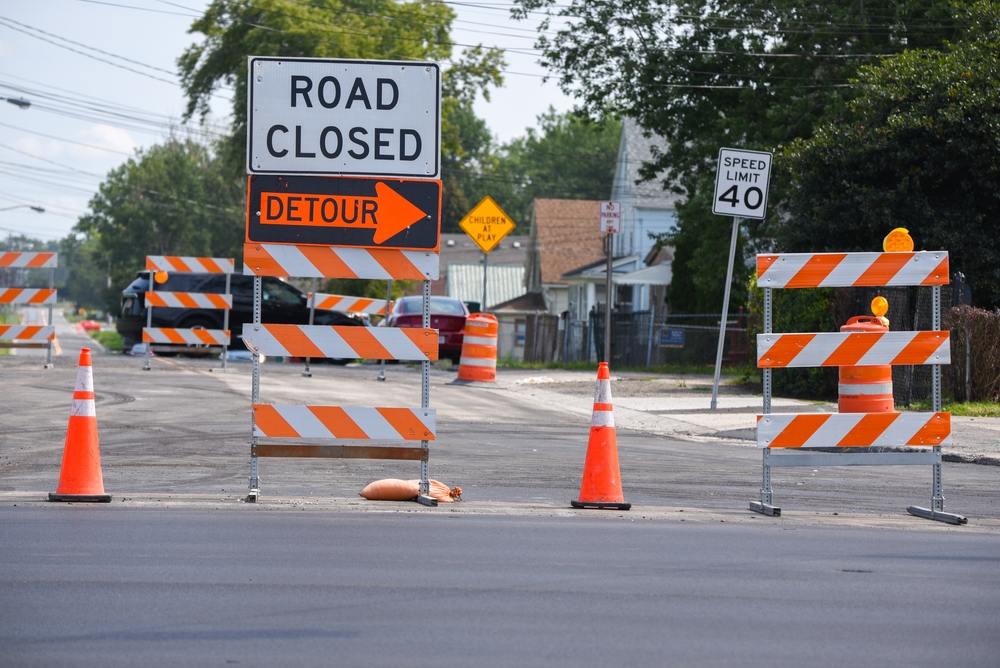
Smart work zones have emerged as an innovative and effective solution for managing traffic flow and construction projects on highways and roadways. By utilizing sensors and advanced systems, these zones provide real-time information to drivers, reducing congestion and enhancing safety. Many organizations stand to benefit from the use of smart work zones. This article will
READ MORE