



Vehicle wrap advertising is a marketing strategy that turns cars, trucks, vans, trailers, and other fleet vehicles into mobile brand displays. Instead of relying only on stationary signs, online ads, or traditional print campaigns, businesses use custom-designed vinyl wraps to promote their name, services, contact information, and brand message while their vehicles are on the road, parked at job sites, or moving through high-traffic areas. For companies that already operate vehicles as part of their daily work, vehicle wraps can be a practical way to make every mile more visible, more professional, and more valuable from a branding perspective.
Understanding Vehicle Wrap Advertising
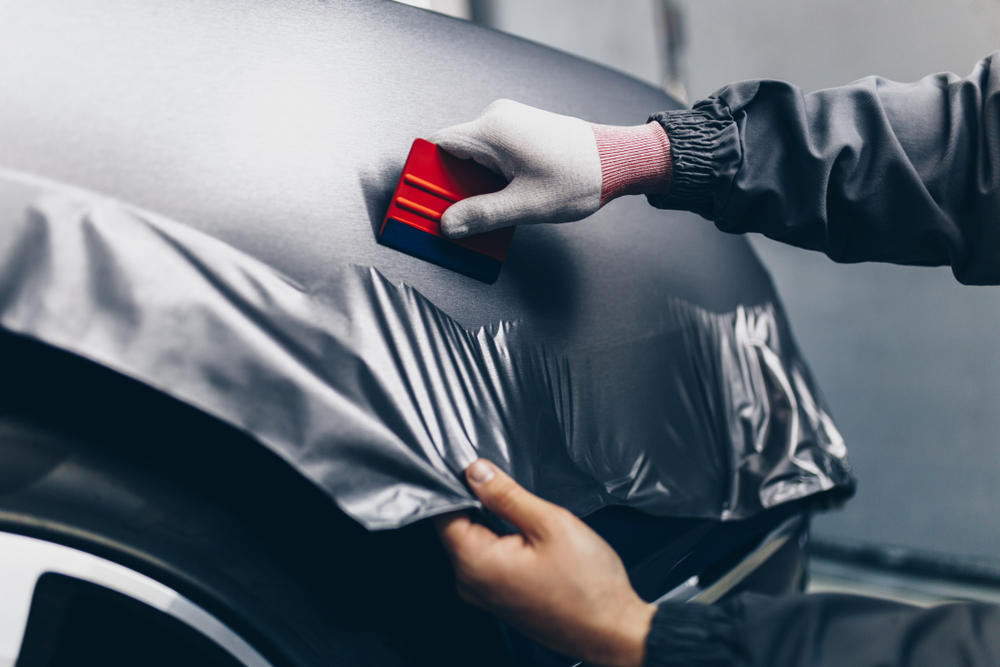
Vehicle wrap advertising involves applying a printed vinyl graphic to the exterior of a vehicle. These wraps can cover the entire vehicle, specific panels, doors, windows, tailgates, or trailers. The design may include a company logo, slogan, phone number, website, service list, safety message, location information, or a bold visual that helps the business stand out.
A vehicle wrap can be used on many types of vehicles, including:
- Service vans
- Pickup trucks
- Box trucks
- Trailers
- Passenger cars
- Utility vehicles
- Construction vehicles
- Delivery vehicles
- Specialty fleet equipment
For many businesses, the appeal is simple. The vehicle is already being used for operations, transportation, sales visits, job site work, service calls, deliveries, or equipment movement. A wrap allows that same vehicle to also function as an advertising asset.
Unlike a temporary decal or small magnetic sign, a professionally installed vehicle wrap is typically designed for higher visual impact. It can cover large surfaces, use bold color, include detailed graphics, and create a consistent brand presence across a fleet.
How Vehicle Wrap Advertising Works
Vehicle wrap advertising works by placing branded messaging in front of people during normal vehicle use. Every time the vehicle travels through a city, parks near a job site, sits in traffic, drives on a highway, or stops at a business location, it can generate brand impressions.
The process usually includes several key steps:
- Reviewing the business goals and target audience
- Measuring the vehicle or fleet
- Creating a custom wrap design
- Printing the design on durable vinyl material
- Preparing the vehicle surface
- Installing the wrap professionally
- Maintaining the wrap over time
The best vehicle wraps are not just visually attractive. They are strategic. A wrap should be readable from a distance, recognizable quickly, and aligned with the company’s larger brand identity. Too much text, cluttered graphics, or low-contrast colors can reduce effectiveness. A strong design communicates the most important information clearly and quickly.
For example, a service company may want to highlight its phone number, website, core service area, and emergency availability. A municipal supplier or traffic safety company may want to emphasize reliability, safety, equipment rentals, or specialized work zone solutions. The right message depends on the audience and the type of action the business wants people to take.
Types of Vehicle Wraps
Vehicle wraps are not one-size-fits-all. Businesses can choose from several options based on their budget, vehicle type, branding goals, and desired visibility.
Full Vehicle Wraps
A full wrap covers most or all of the vehicle’s visible painted surfaces. This option offers the greatest design flexibility and the strongest visual impact. Full wraps are often used by businesses that want their vehicles to be instantly recognizable.
Partial Vehicle Wraps
A partial wrap covers selected areas of the vehicle, such as the sides, rear, hood, or doors. This can be a cost-effective option for businesses that want a professional look without wrapping the entire vehicle.
Spot Graphics and Decals
Spot graphics are smaller vinyl elements, such as logos, phone numbers, websites, or service lists. They are more minimal than wraps but can still create a branded appearance.
Fleet Wraps
Fleet wraps are designed for consistency across multiple vehicles. This is especially useful for companies with several trucks, vans, trailers, or service vehicles operating in different locations. A consistent fleet presence can make a business appear more established, organized, and trustworthy.
Specialty Equipment Wraps
Some businesses wrap trailers, equipment units, or specialty vehicles that spend time at public-facing job sites. For traffic control, construction, municipal, and commercial operations, branded equipment and trailers can reinforce credibility while supporting awareness in the field.
Does Vehicle Wrap Advertising Actually Work?
Vehicle wrap advertising can work very well when it is planned, designed, and maintained properly. Its effectiveness comes from visibility, repetition, and local relevance.
A wrapped vehicle can be seen by pedestrians, other drivers, property managers, contractors, municipal decision-makers, business owners, and residents. Unlike many digital ads that disappear after a click or scroll, a vehicle wrap stays visible as long as the vehicle is in use. It can repeatedly expose people in a service area to the same company name and message.
This repeated visibility can support brand recognition. When someone later needs a service, equipment rental, safety solution, sign manufacturer, contractor, or local provider, the company they have seen regularly may feel more familiar.
Vehicle wrap advertising is especially useful for businesses that depend on local or regional customers. If a company serves a defined geographic area, every trip through that area can help reinforce brand awareness. For service-based, construction-related, municipal, and commercial businesses, this local visibility can be particularly valuable.
Key Benefits of Vehicle Wrap Advertising
Vehicle wraps can offer several benefits for companies that want a professional, durable, and visible marketing tool.
Constant Local Exposure
A wrapped vehicle can advertise during business hours, after hours, on the road, at job sites, in parking lots, and during deliveries or service calls. This creates ongoing exposure without requiring the business to purchase ad space every time the vehicle is seen.
Professional Brand Presentation
A clean, well-designed vehicle wrap can make a business look more established and organized. When employees arrive in a branded vehicle, it can help customers feel more confident that they are working with a legitimate company.
Cost Efficiency Over Time
Although a wrap requires an upfront investment, it can continue delivering impressions for years when properly cared for. Compared with recurring ad campaigns, the long-term value can be attractive for businesses with active vehicles.
Strong Geographic Targeting
Vehicle wraps naturally reach people in the areas where the business operates. This can be more relevant than broad advertising that reaches people outside the company’s service area.
Fleet Consistency
For companies with multiple vehicles, wraps help create a unified brand identity. Whether a customer sees one vehicle or several, the consistent look reinforces name recognition.
Non-Intrusive Advertising
Vehicle wraps do not interrupt people the way some digital ads, calls, or pop-ups do. They are visible in the environment without demanding direct attention, which can make them a practical awareness tool.
What Makes a Vehicle Wrap Effective?
Not every wrap performs equally. A successful wrap needs more than a logo and bright colors. It should be designed around clarity, readability, and brand strategy.
Effective vehicle wraps usually include:
- A clear business name
- A recognizable logo
- A simple message or service description
- A phone number or website
- Strong contrast for easy reading
- Limited text
- High-quality materials
- Professional installation
- Consistent branding across vehicles
The design should be easy to understand in just a few seconds. Drivers and pedestrians do not have time to read long lists of services or complicated messaging. The goal is to make the company memorable and make the next step easy.
For many businesses, the rear of the vehicle is especially important because people often see it while sitting in traffic. Side panels are also valuable because they are visible when the vehicle is parked or passing by. A thoughtful wrap design considers all viewing angles.
Common Mistakes to Avoid
Vehicle wrap advertising can lose impact when businesses overlook design, quality, or maintenance. Some common mistakes include:
- Using too much text
- Choosing fonts that are hard to read
- Using colors with poor contrast
- Making the phone number or website too small
- Using low-resolution images
- Ignoring vehicle shape and panel breaks
- Installing wraps on damaged or dirty surfaces
- Failing to maintain the vehicle’s appearance
- Using inconsistent branding across a fleet
A wrap reflects the business. If it is faded, peeling, cluttered, or difficult to read, it may create the wrong impression. Businesses should treat wrapped vehicles as part of their public brand presence.
Who Should Consider Vehicle Wrap Advertising?
Vehicle wrap advertising can be a smart option for many types of organizations, especially those with active vehicles in visible service areas.
It may be useful for:
- Contractors
- Municipal service providers
- Construction companies
- Traffic control companies
- Equipment rental businesses
- Delivery services
- Utility providers
- Home service companies
- Landscaping companies
- Commercial service fleets
- Real estate and property management businesses
- Event and mobile service companies
The strategy is especially relevant for businesses that operate in the field, serve local customers, or regularly park vehicles in high-visibility areas. If a vehicle is already moving through target markets every day, a wrap can help turn that activity into brand exposure.
Vehicle Wrap Advertising for B2B and Municipal Markets
Many people think of vehicle wraps as a consumer-facing marketing tool, but they can also support business-to-business and municipal awareness. In industries such as construction, traffic safety, infrastructure, public works, and equipment rental, decision-makers often notice who is active in the field.
A branded vehicle or trailer at a job site can communicate professionalism and capability. It can also help identify the company responsible for specialized services or equipment. For companies that work with municipalities, contractors, state agencies, and commercial clients, consistent field visibility can help reinforce trust.
In these markets, the wrap does not need to be flashy. It needs to be professional, legible, and aligned with the company’s reputation. Messaging should emphasize reliability, safety, experience, service area, and capabilities.
How to Measure Whether Vehicle Wrap Advertising Is Working
Measuring vehicle wrap performance is not always as direct as tracking clicks from a digital ad, but businesses can still evaluate results. The key is to connect wrap visibility with customer inquiries and brand recognition.
Ways to measure effectiveness include:
- Adding a dedicated phone number
- Using a specific landing page URL
- Asking new customers how they heard about the business
- Tracking increases in branded search traffic
- Monitoring calls from service areas where vehicles operate
- Comparing inquiry volume before and after wrapping vehicles
- Reviewing customer feedback
- Watching for increased recognition at job sites or events
For businesses with multiple marketing channels, vehicle wraps often work as part of a larger awareness strategy. Someone may see a vehicle several times, search the company online, visit the website, and later call. The wrap may not be the final touchpoint, but it can play an important role in building familiarity.
How Long Do Vehicle Wraps Last?
The lifespan of a vehicle wrap depends on material quality, installation, climate, vehicle use, storage conditions, and maintenance. A professionally installed wrap using quality materials can often last several years. However, vehicles exposed to heavy sun, road salt, snow, debris, and frequent washing may experience more wear.
To help extend wrap life, businesses should:
- Wash vehicles regularly
- Avoid harsh chemicals
- Remove road salt and grime
- Store vehicles indoors when possible
- Repair peeling or damaged areas promptly
- Follow installer maintenance recommendations
In regions with harsh winter conditions, maintenance is especially important. Snow, ice, salt, and road debris can affect the appearance and durability of wraps over time.
Is Vehicle Wrap Advertising Worth It?
For many businesses, vehicle wrap advertising is worth considering because it combines branding, local visibility, and practical long-term exposure. It is not a replacement for every other marketing channel, but it can be a strong addition to a broader strategy.
The value is highest when:
- The business operates vehicles regularly
- The vehicles travel through target service areas
- The design is professional and easy to read
- The brand message is clear
- The company maintains the vehicles well
- The wrap supports other marketing efforts
A wrapped vehicle can make a business more visible in the exact places where it wants to be known. For companies that depend on local reputation, field presence, and professional credibility, that visibility can matter.
FAQ
What is vehicle wrap advertising?
Vehicle wrap advertising is the use of printed vinyl graphics on vehicles to promote a business, service, product, or brand. The wrap turns the vehicle into a mobile advertising display.
Does vehicle wrap advertising work for local businesses?
Yes. It can be effective for local businesses because it creates repeated exposure in the same communities and service areas where potential customers live, work, and travel.
Is a full wrap better than a partial wrap?
A full wrap usually offers more visual impact, but a partial wrap can still be effective when designed well. The best choice depends on budget, vehicle type, and marketing goals.
What should be included on a vehicle wrap?
A strong vehicle wrap should include the business name, logo, primary service or message, website, and phone number. The design should be clean, readable, and easy to understand quickly.
How long does a vehicle wrap last?
A quality wrap can last several years with proper installation and maintenance. Weather, sun exposure, road conditions, and cleaning habits all affect longevity.
Can vehicle wraps be used on trailers or equipment?
Yes. Wraps and graphics can often be applied to trailers, specialty vehicles, and certain equipment surfaces, depending on the material, condition, and usage.
Is vehicle wrap advertising only for consumer businesses?
No. B2B companies, municipal suppliers, construction firms, traffic control providers, and equipment rental companies can also benefit from professional vehicle and fleet branding.
How do I know if a vehicle wrap is generating leads?
Businesses can track results by using dedicated phone numbers, landing pages, customer intake questions, branded search trends, and inquiry source tracking.
Are vehicle wraps removable?
Yes. Professionally installed vinyl wraps are generally removable, although the condition of the vehicle paint and the age of the wrap can affect the removal process.
What makes a vehicle wrap design successful?
A successful wrap is simple, readable, professional, and memorable. It avoids clutter, uses strong contrast, and communicates the most important information quickly.
Partner With Worksafe Traffic Control Industries
For businesses, municipalities, contractors, and organizations that depend on visibility, safety, and reliable field operations, professional presentation matters. We have provided smart traffic safety solutions throughout New England for more than twenty-five years. As a manufacturer of municipal, highway, construction, and commercial signs, as well as a reseller of traffic control devices and equipment, we understand the importance of clear messaging, dependable equipment, and safe, effective deployment.
We offer sales and rental options, including a large fleet of message signs, arrow boards, traffic signals, trailer-mounted video cameras, queue detection systems, speed signs, and microwave technologies. Our team specializes in smart work zone and real-time traffic solutions, offering support from the design phase through implementation, deployment, 24/7 maintenance, and equipment repair.
Whether your project requires real-time traffic information, queue warning systems, dynamic lane merge, conflict warnings, alternative route information, or dependable traffic control equipment, we are ready to help. Contact us today to discuss your traffic safety needs and learn how the right equipment, planning, and support can keep your project moving safely and efficiently.