




Window graphics are one of the most versatile ways to turn ordinary glass into a functional, branded, and highly visible communication tool. From storefront promotions and office privacy films to safety decals and directional signage, window graphics help businesses, municipalities, contractors, and public-facing organizations make better use of their existing glass surfaces. They can advertise services, guide visitors, improve privacy, support wayfinding, promote safety, and enhance the look of a space without requiring major structural changes.
For companies that rely on clear communication in busy environments, window graphics can be especially valuable. A well-designed graphic on a window, door, vehicle, equipment enclosure, office entrance, or customer-facing facility can quickly communicate important information while reinforcing a professional brand image. The key to getting long-lasting results is understanding how window graphics are made, which materials are used, and how the right production and installation process can improve performance.
What Are Window Graphics?
Window graphics are printed, cut, or fabricated vinyl films applied to glass surfaces. They can be used indoors or outdoors and may be temporary, seasonal, promotional, decorative, safety-focused, or permanent. Depending on the material and design, they may be fully opaque, transparent, perforated, frosted, reflective, or partially translucent.
Common examples include:
- Storefront logos and business hours
- Promotional decals
- Privacy films for offices and conference rooms
- Safety markings on glass doors
- Directional signage
- Municipal and facility identification
- Construction site office graphics
- Vehicle and equipment window decals
- Decorative branded glass treatments
- Temporary event or project signage
Because they are applied directly to glass, window graphics allow organizations to use space that would otherwise remain blank. They are also generally more cost-effective and flexible than many permanent sign structures.
Why Businesses and Organizations Use Window Graphics
Window graphics serve both practical and visual purposes. They can help a business stand out, make a facility easier to navigate, and support a safer environment. In many cases, they also provide a polished appearance that helps visitors, customers, vendors, and employees feel confident that they are in the right place.
Businesses and organizations use window graphics to:
- Increase brand visibility
- Display contact information, hours, or service areas
- Promote current offers or seasonal campaigns
- Add privacy without blocking natural light
- Mark glass panels to reduce accidental collisions
- Improve wayfinding in offices, job sites, warehouses, and public facilities
- Communicate safety instructions or restricted access areas
- Create a professional first impression
For industries that operate in high-traffic or public-facing environments, clear communication is critical. A well-placed window graphic can help reduce confusion, improve visibility, and keep information easy to understand.
The Main Materials Used to Make Window Graphics
The material used for a window graphic affects how it looks, how long it lasts, how it is installed, and how easily it can be removed. Not every vinyl film is designed for the same application, so choosing the right material is one of the most important steps in the process.
Adhesive Vinyl
Adhesive vinyl is one of the most common materials used for window graphics. It includes a printable or colored face film with an adhesive backing that bonds to the glass. Adhesive vinyl can be used for logos, lettering, decals, safety notices, and full-color designs.
Adhesive vinyl is available in different finishes, including gloss, matte, clear, white, and specialty films. Permanent adhesive vinyl is often used for long-term displays, while removable vinyl is better for temporary campaigns or seasonal messaging.
Perforated Window Film
Perforated window film is often used when a business wants to display a full-color image on the outside of a window while still allowing some visibility from the inside. This material has tiny holes throughout the film. From the outside, the printed image is visible. From the inside, people can still see through the glass to some degree.
Perforated film is common for storefronts, vehicle windows, office windows, and public-facing facilities where visibility and branding both matter.
Frosted or Etched Glass Film
Frosted window film creates the appearance of etched or sandblasted glass. It is frequently used in offices, conference rooms, reception areas, medical facilities, municipal buildings, and commercial interiors. Frosted film provides privacy while allowing light to pass through.
This material can be applied as full panels, decorative patterns, stripes, logos, or cut lettering. It is a popular choice for organizations that want a clean, professional look without permanently altering the glass.
Clear Window Film
Clear window film allows printed graphics to appear on a transparent background. It is often used when a design needs to look subtle or when the glass itself should remain visible. Because standard printing inks can appear translucent on clear film, white ink may be added behind selected design elements to improve opacity and readability.
Clear film is useful for detailed graphics, layered branding effects, and designs that need to blend naturally with the window surface.
Static Cling Film
Static cling film does not use traditional adhesive. Instead, it clings to glass using static attraction. It is often used for temporary displays, seasonal promotions, short-term events, and reusable interior graphics.
Static cling is easy to apply and remove, making it a good choice for businesses that change messaging frequently. However, it may not be the best option for long-term exterior use or demanding environments.
Specialty Films
Some window graphics require specialty materials, such as reflective films, high-tack films, anti-graffiti laminates, optically clear films, or films designed for challenging temperatures. Specialty films may be used for safety, visibility, durability, or environmental performance.
For municipal, highway, construction, and commercial applications, material selection should account for weather exposure, traffic conditions, maintenance needs, and visibility requirements.
How Window Graphics Are Made
The window graphic production process includes design, material selection, printing or cutting, finishing, preparation, and installation. Each step affects the final appearance and durability of the finished product.
Step 1: Project Planning and Site Assessment
The process begins with understanding the purpose of the graphic. Is it meant to advertise, identify, direct, protect privacy, support safety, or communicate temporary information? The answer helps determine the best material, size, finish, and installation method.
A site assessment may include reviewing:
- Window dimensions
- Glass condition
- Interior or exterior placement
- Sun exposure
- Weather exposure
- Viewing distance
- Lighting conditions
- Desired lifespan
- Local regulations or facility requirements
- Removal needs
Accurate measurements are essential. Even a small error can affect alignment, coverage, and overall appearance.
Step 2: Design and Layout
Once the project requirements are clear, the graphic is designed. The design must work with the size and shape of the window while remaining readable and visually effective. For storefronts, offices, and work zones, readability is especially important. People may only have a few seconds to see and understand the message.
Effective window graphic design usually considers:
- Brand colors and logo placement
- Font size and readability
- Contrast against the glass and background
- Viewing distance
- Compliance needs
- Placement around door handles, frames, mullions, or window dividers
- Whether the design will be seen from one side or both sides
- Whether privacy or visibility is required
For large graphics, the design may need to be divided into panels so it can be printed and installed properly.
Step 3: File Preparation
Before production begins, artwork is prepared for printing or cutting. This step may include converting fonts to outlines, checking image resolution, setting bleeds, adding contour cut paths, and confirming color settings.
For printed window graphics, high-resolution artwork is important. Low-quality images can appear blurry or pixelated, especially on large windows. For cut vinyl lettering, clean vector artwork is usually required so the cutting equipment can follow precise paths.
Step 4: Material Selection
The production team selects the appropriate film based on the project goals and environment. A short-term indoor promotion may use removable vinyl or static cling, while an exterior window exposed to sun, rain, snow, and temperature changes may require a more durable adhesive vinyl and protective laminate.
Material selection should also consider whether the graphic needs to be:
- Temporary or long-term
- Removable or permanent
- Opaque or transparent
- View-through or privacy-focused
- Printed in full color
- Cut into letters or shapes
- Installed inside or outside the glass
- Resistant to weather, cleaning, or abrasion
This step is especially important for commercial and public-sector applications where performance matters.
Step 5: Printing or Cutting
Window graphics can be produced through digital printing, vinyl cutting, or a combination of both.
Digital printing is used for full-color graphics, photos, gradients, logos, and complex designs. Large-format printers apply ink to the selected window film. Depending on the design and material, white ink may be used to improve opacity or create special effects.
Vinyl cutting is used for lettering, simple logos, shapes, and solid-color graphics. A plotter cuts the design into vinyl, and the excess vinyl is removed in a process called weeding. Transfer tape is then applied so the design can be moved from the backing paper to the glass surface during installation.
Some projects use both printing and cutting. For example, a printed logo may be contour cut into a custom shape.
Step 6: Lamination and Finishing
For many printed window graphics, lamination is added after printing. Laminate is a clear protective layer that helps guard the print against UV exposure, scratches, moisture, cleaning, and general wear.
Lamination may be especially useful for exterior graphics, high-touch areas, construction-related environments, and long-term applications. The finish may be gloss, matte, or luster depending on the desired appearance.
Finishing may also include trimming, paneling, adding transfer tape, labeling installation sections, or preparing the graphic for shipment or field installation.
Step 7: Surface Preparation
Proper surface preparation is critical. Even the best material can fail if the glass is dirty, oily, dusty, or contaminated. The glass must be cleaned thoroughly before installation.
Surface preparation often includes:
- Removing dust and debris
- Cleaning off grease, fingerprints, and residue
- Removing old adhesive or graphics
- Drying the glass completely
- Checking for cracks, chips, or coating issues
- Confirming the glass temperature is suitable for installation
Some cleaners can leave residue that interferes with adhesion, so professional installers typically use approved cleaning methods and products.
Step 8: Installation
Installation methods vary depending on the material, size, and location. Small decals may be installed dry, while larger graphics may require specialized tools and techniques to prevent bubbles, wrinkles, or misalignment.
Professional installation may involve:
- Positioning and taping the graphic in place
- Using a hinge method for alignment
- Removing the backing liner
- Applying the graphic with a squeegee
- Managing air release channels
- Trimming edges if needed
- Checking adhesion and finish quality
For large or complex projects, installation may require multiple panels, lifts, traffic control planning, or coordination with facility schedules.
Step 9: Inspection and Maintenance Guidance
After installation, the graphic should be inspected for alignment, bubbles, edge lift, readability, and overall appearance. The installer may also provide maintenance guidance so the graphic lasts as long as possible.
Maintenance recommendations may include:
- Avoid aggressive scrubbing
- Use mild, non-abrasive cleaners
- Avoid pressure washing unless the film is rated for it
- Do not pick at edges
- Allow adhesive to cure before cleaning
- Report lifting or damage early
Proper care helps preserve both the appearance and function of the graphic.
Common Use Cases for Window Graphics
Window graphics are used across many industries because they can be customized for branding, safety, privacy, and communication.
Commercial Storefronts
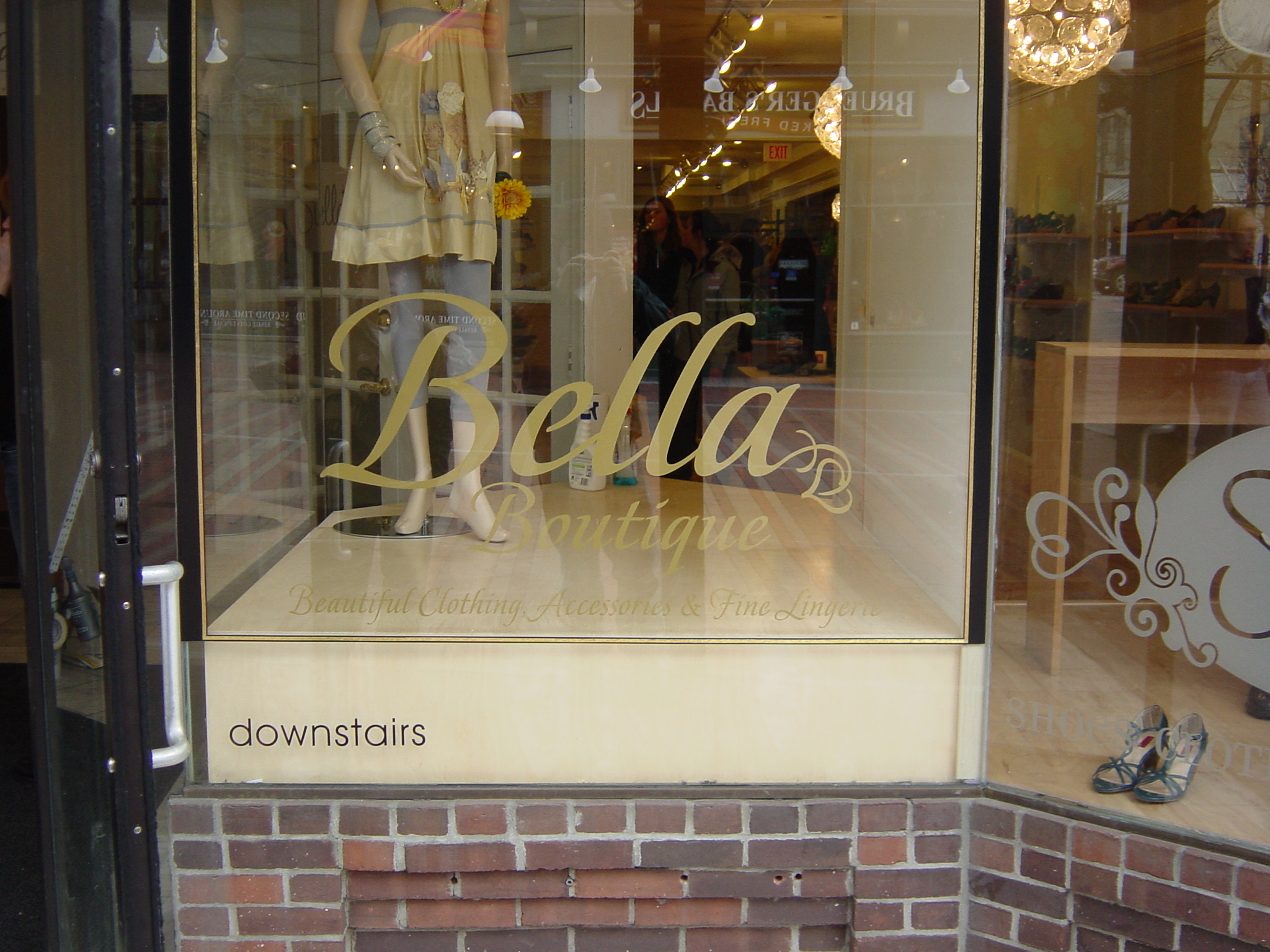
Retailers, service businesses, restaurants, and offices often use window graphics to display logos, hours, promotions, and contact information. A storefront window can become an advertising surface that works day and night.
Office Privacy and Interior Branding
Businesses use frosted films, decorative patterns, and branded graphics on conference rooms, glass partitions, and reception areas. These graphics can improve privacy while making the workplace feel more polished and intentional.
Municipal and Public Facilities
Municipal buildings, public works facilities, schools, transit offices, and government locations may use window graphics for identification, wayfinding, notices, department names, hours, and safety messaging.
Construction and Job Site Offices
Temporary site offices, trailers, and project management spaces can benefit from branded window decals, safety notices, access instructions, and directional graphics. These applications help workers, vendors, inspectors, and visitors quickly understand where to go and what rules apply.
Transportation and Traffic Safety Applications
Window graphics can support communication for traffic control companies, equipment rental providers, and work zone operations. They may be used on vehicles, trailers, field offices, message board support units, or equipment-related facilities to identify ownership, provide instructions, display safety notices, or promote services.
Event and Temporary Messaging
Static cling and removable vinyl are useful for short-term messages, seasonal announcements, public meetings, construction updates, and special events. These graphics can be removed or replaced without committing to permanent signage.
Safety and Compliance Markings
Glass doors and large glass panels can be difficult to see. Safety decals, stripes, icons, or contrast markings can help reduce accidental impact and improve visibility. These are useful in offices, public facilities, commercial buildings, and high-traffic environments.
What Makes a High-Quality Window Graphic?
A high-quality window graphic is not just about attractive design. It must be readable, durable, properly installed, and suited to the environment where it will be used.
Strong window graphics typically have:
- Clear messaging
- Appropriate material selection
- Good contrast
- Professional artwork preparation
- Accurate measurements
- Clean production
- Proper lamination when needed
- Skilled installation
- Maintenance guidance
When any of these steps are overlooked, the result may fade, peel, bubble, or fail to communicate effectively.
How Long Do Window Graphics Last?
The lifespan of a window graphic depends on the material, location, exposure, installation quality, and maintenance. Interior graphics can often last longer because they are protected from weather and direct environmental wear. Exterior graphics may face sunlight, rain, snow, temperature changes, road debris, and cleaning chemicals.
Temporary graphics may be designed to last weeks or months, while long-term films can last several years when properly selected and installed. For demanding commercial, municipal, construction, or traffic-related environments, it is important to select materials that match the expected conditions.
FAQ
What are window graphics made of?
Most window graphics are made from vinyl film. Depending on the application, the vinyl may be adhesive-backed, perforated, frosted, clear, opaque, removable, or static cling.
Can window graphics be used outdoors?
Yes. Many window graphics are designed for exterior use. Outdoor applications should use materials and laminates that can withstand sunlight, moisture, temperature changes, and cleaning.
Are window graphics removable?
Many window graphics are removable, but removability depends on the type of adhesive and how long the film has been installed. Temporary graphics should be made with removable materials when clean removal is important.
Can people see through window graphics?
Some materials allow visibility, and others do not. Perforated window film allows partial visibility from the inside while displaying a printed image outside. Frosted film allows light through but limits clear visibility.
Do window graphics damage glass?
When the correct material is used, and the graphic is installed and removed properly, window graphics generally should not damage standard glass. Special glass coatings, old glass, or improper removal methods may create issues, so professional guidance is recommended.
How should window graphics be cleaned?
Use mild, non-abrasive cleaners and a soft cloth. Avoid harsh chemicals, scraping tools, and aggressive pressure washing unless the material is specifically rated for that type of cleaning.
Can window graphics be customized?
Yes. Window graphics can be customized by size, shape, color, finish, opacity, message, logo, and material. They can be designed for branding, safety, privacy, advertising, wayfinding, or temporary communication.
Are window graphics good for construction or traffic control businesses?
Yes. Window graphics can help identify vehicles, facilities, field offices, rental equipment areas, and customer-facing locations. They can also communicate safety instructions, service offerings, and directional information.
Partner With Worksafe Traffic Control Industries
When visibility, safety, and clear communication matter, we are ready to help. For more than twenty-five years, we have provided smart traffic safety solutions throughout New England, serving municipal, highway, construction, and commercial needs. As a manufacturer of signs and a reseller of traffic control devices and equipment, we offer sales and rental options designed to support projects of all sizes.
We maintain a large rental fleet that includes message signs, arrow boards, traffic signals, trailer-mounted video cameras, queue detection systems, speed signs, and microwave technologies. Our team specializes in smart work zone and real-time traffic solutions, offering support from the design phase through implementation, deployment, 24/7 maintenance, and equipment repair.
Whether your project requires real-time traffic information, queue warning systems, RWIS systems, dynamic lane merge, conflict warnings, alternative route information, municipal signage, construction signage, or traffic control equipment, we are the one to call. Contact us today to discuss your sales or rental needs and get a complete traffic safety solution built for your project.