



Vehicle wrap advertising is a marketing strategy that turns cars, trucks, vans, trailers, and other fleet vehicles into mobile brand displays. Instead of relying only on stationary signs, online ads, or traditional print campaigns, businesses use custom-designed vinyl wraps to promote their name, services, contact information, and brand message while their vehicles are on the
READ MOREBlog
What Happens When Non-Compliant Signs Are Used on Public Roads
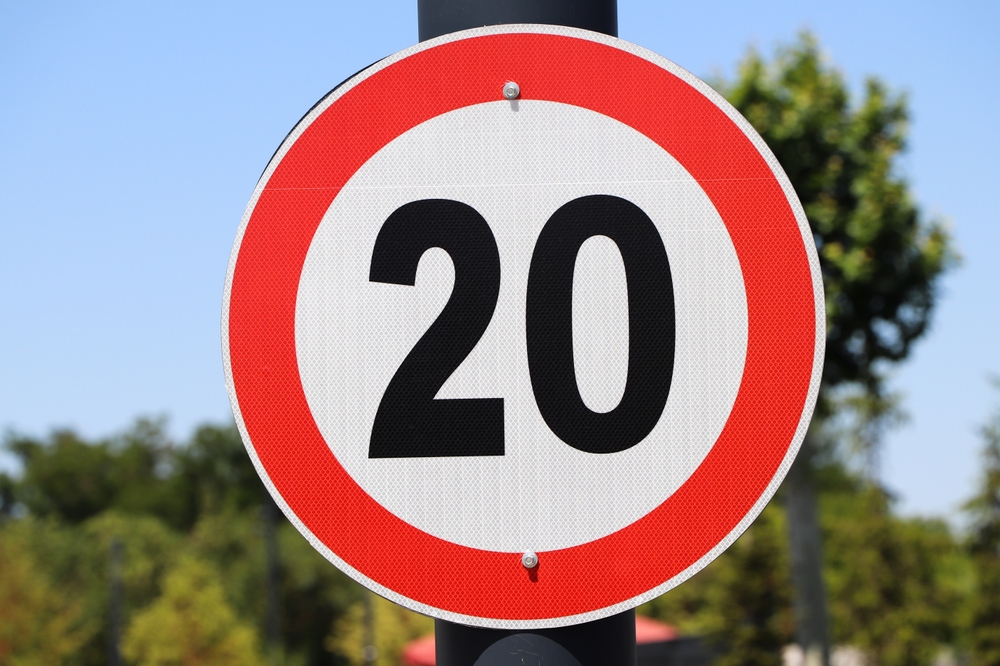
Non-compliant traffic signs increase accident risk, create legal liability, and disrupt traffic flow. When signs fail to meet MUTCD standards for visibility, placement, or design, drivers may misinterpret critical information. This can lead to confusion, collisions, fines, and project delays for contractors and municipalities. Higher risk of crashes due to unclear or inconsistent messaging Legal
READ MOREWho Is Responsible for Work Zone Sign Compliance: Contractor, City, or DOT?
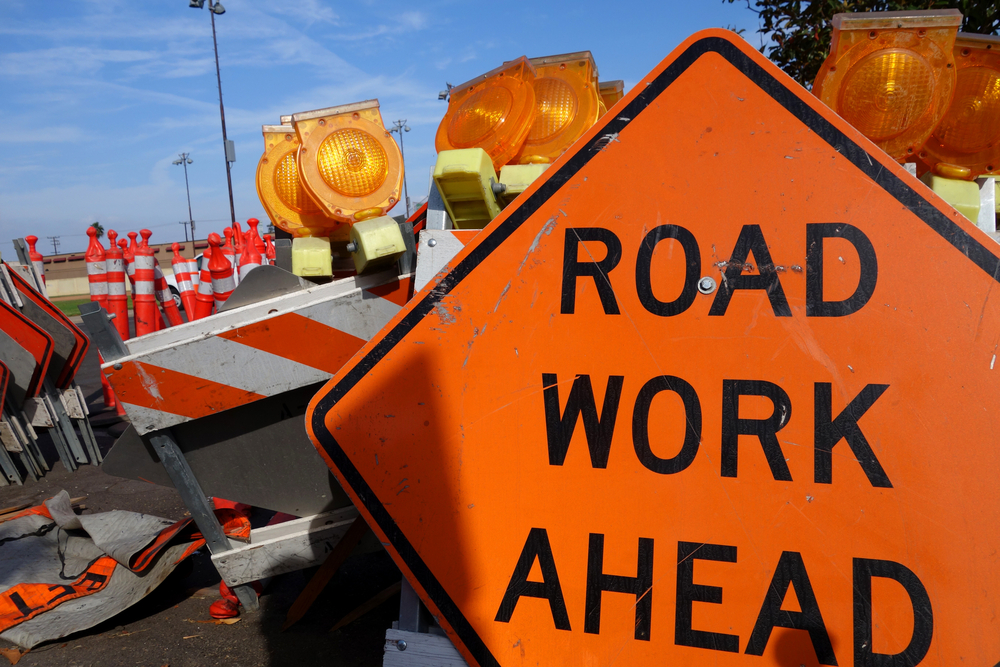
Work zone sign compliance is typically the contractor’s responsibility, but cities and Departments of Transportation (DOTs) provide oversight and enforcement. Contractors handle installation, maintenance, and adjustments of signage, while municipalities or DOTs review plans, conduct inspections, and enforce standards. Responsibility can be shared depending on contracts, jurisdiction, and project scope. Contractors execute and maintain compliant
READ MOREHow Reflective Sheeting Choice Impacts Sign Visibility at Night and in Bad Weather

Reflective sheeting directly determines how visible a traffic sign is at night and in poor weather conditions. Higher-quality sheeting returns more light to drivers, improving recognition distance, readability, and reaction time. Choosing the correct grade and technology helps prevent accidents, ensures compliance, and reduces legal and financial risk. Microprismatic sheeting provides the highest brightness and
READ MOREWhy Faded or Damaged Signs Can Create Legal Liability for Contractors
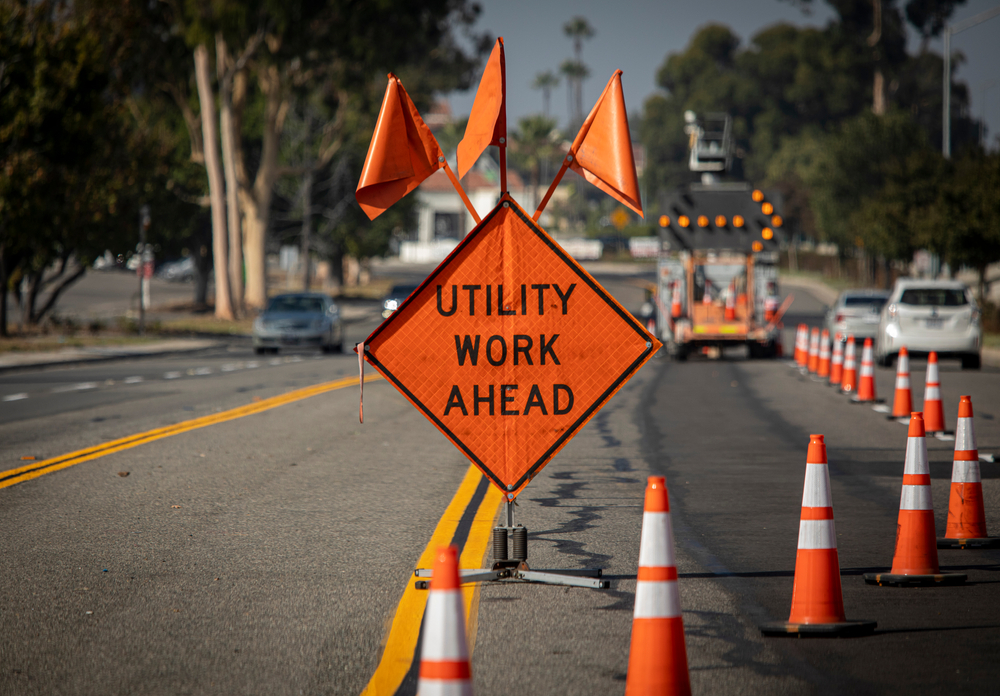
Faded or damaged traffic signs can create legal liability for contractors because they fail to provide clear, compliant warnings that prevent accidents. When signage is not visible, legible, or properly maintained, it can be considered negligence under traffic safety standards. In the event of an accident, investigators often examine signage conditions, and deficiencies can directly
READ MORE