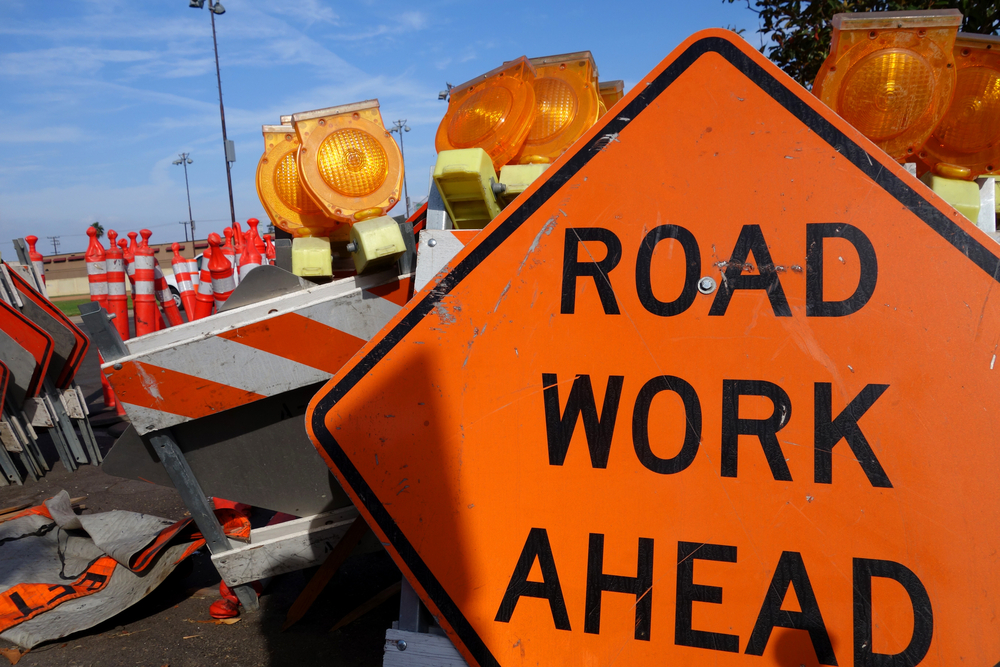
Work zone sign compliance is typically the contractor’s responsibility, but cities and Departments of Transportation (DOTs) provide oversight and enforcement. Contractors handle installation, maintenance, and adjustments of signage, while municipalities or DOTs review plans, conduct inspections, and enforce standards. Responsibility can be shared depending on contracts, jurisdiction, and project scope.
- Contractors execute and maintain compliant signage
- Cities approve plans and enforce local regulations
- DOTs oversee state projects and set standards
- Liability depends on contracts, jurisdiction, and compliance
What Is Work Zone Sign Compliance?
Work zone sign compliance refers to following established standards for temporary traffic control devices in construction or maintenance zones. These standards are primarily defined by the MUTCD and state-specific guidelines.
Compliance ensures that signs are properly placed, visible, and maintained so drivers and pedestrians can safely navigate changing roadway conditions.
Core Compliance Requirements
- Correct sign placement and spacing
- Use of appropriate warning, regulatory, and guide signs
- Proper reflectivity and visibility
- Ongoing maintenance and condition checks
- Adherence to approved traffic control plans
The Contractor’s Responsibility
In most projects, contractors carry the primary responsibility for work zone signage. This obligation is defined in the contract and the approved traffic control plan.
What Contractors Must Do
- Install signage according to approved plans
- Maintain visibility and proper positioning
- Replace damaged or missing signs immediately
- Adjust signage as conditions change
- Follow MUTCD and state-specific standards
Contractors often use equipment such as cones and delineators and temporary barricades to maintain compliant work zones.
Liability Insight
If signage is incorrect or poorly maintained, contractors are usually the first party held accountable. Investigations focus on whether the approved plan was followed and properly maintained.
The Role of the City or Municipality
Cities and municipalities provide oversight, especially on local roads. They may not install signage directly but are responsible for ensuring compliance within their jurisdiction.
Municipal Responsibilities
- Review and approve traffic control plans
- Issue permits for roadwork
- Inspect active work zones
- Enforce local safety regulations
- Coordinate with emergency services
For smaller or emergency projects, municipalities may deploy signage using their own crews and resources.
The Role of the Department of Transportation (DOT)
DOTs oversee state highways and major roadways. They establish standards and enforce compliance on state-funded or managed projects.
DOT Responsibilities
- Set statewide traffic control standards
- Approve traffic control plans
- Conduct inspections and audits
- Enforce compliance and issue penalties
- Provide training and certification
On state projects, DOT inspectors may require immediate corrections if violations are found.
How Responsibility Is Determined
Responsibility is not fixed. It depends on several key factors tied to the project and jurisdiction.
Key Factors
- Project ownership
- Contract terms
- Jurisdiction (city, state, or federal)
- Funding source
- Approval authority for the traffic control plan
In most cases, contractors execute the work while cities or DOTs enforce compliance.
Common Work Zone Responsibility Scenarios
- Local road project: Contractor installs signage, city approves and inspects
- State highway project: Contractor executes, DOT oversees and enforces
- Emergency repair: City or DOT may directly manage signage
The Importance of a Traffic Control Plan
A traffic control plan is the foundation of compliance. It defines how signage and traffic flow will be managed throughout the project.
- Sign types and placement
- Lane closures and detours
- Pedestrian accommodations
- Work zone phases
- Safety measures
Advanced systems like queue warning systems and dynamic lane merge systems are often integrated into modern plans to improve safety and compliance.
Risks of Non-Compliance
Safety Risks
- Increased accidents and injuries
- Driver confusion and delayed reactions
- Poor visibility in changing conditions
Legal and Financial Risks
- Fines and penalties
- Lawsuits and liability claims
- Project delays and cost overruns
Reputational Risks
- Loss of trust from agencies and clients
- Reduced future project opportunities
Best Practices for Maintaining Compliance
For Contractors
- Perform daily inspections
- Train crews on MUTCD standards
- Document all maintenance activities
- Use high-quality traffic control devices
For Cities and DOTs
- Conduct routine and surprise inspections
- Provide clear compliance expectations
- Enforce standards consistently
For All Stakeholders
- Maintain clear communication
- Document approvals and changes
- Prioritize safety over speed
Experience-Based Insight
In real-world projects, compliance issues often arise not from lack of knowledge but from inconsistent maintenance. Signs shift, get damaged, or become obstructed as work progresses. Teams that implement daily checks and proactive adjustments consistently reduce incidents and avoid penalties.
Using integrated systems such as radar speed feedback signs and real-time monitoring tools helps maintain visibility and improve driver behavior in active work zones.
FAQ: Work Zone Sign Compliance
Who is ultimately responsible for work zone sign compliance?
The contractor is typically responsible for installing and maintaining compliant signage. However, cities and DOTs provide oversight through plan approvals, inspections, and enforcement. Responsibility may shift depending on contracts, jurisdiction, and project ownership.
Can responsibility be shared between contractors and agencies?
Yes. Responsibility is often shared based on contractual agreements and oversight roles. If a municipality or DOT fails to enforce standards or approve proper plans, they may share liability alongside the contractor.
What standards govern work zone signage?
The MUTCD is the primary standard for work zone signage in the United States. State and local agencies may adopt additional requirements that must also be followed for full compliance.
How often should work zone signage be inspected?
Signage should be inspected daily and after significant changes such as weather events, traffic shifts, or construction phase updates. Frequent inspections help ensure continued visibility and compliance.
What happens if a work zone is not compliant?
Non-compliance can lead to accidents, fines, legal liability, and project delays. It may also result in work stoppages until corrections are made, especially on state-regulated projects.
Bottom Line
Contractors are responsible for executing work zone sign compliance, while cities and DOTs enforce and oversee it. Clear contracts, proper planning, and consistent maintenance are essential to avoiding liability and ensuring safety. Projects that prioritize compliance from the start reduce risk, improve traffic flow, and protect both workers and the public.