Construction signs play a critical role in roadway safety, traffic flow, and regulatory compliance across municipal, highway, and commercial environments. While both temporary construction signs and permanent road signs aim to communicate clear guidance to drivers and pedestrians, the compliance requirements governing each are materially different. Understanding these differences is essential for project owners, contractors, municipalities, and traffic engineers who must meet federal, state, and local standards while keeping road users safe and minimizing liability.
Defining Temporary Construction Signs and Permanent Road Signs
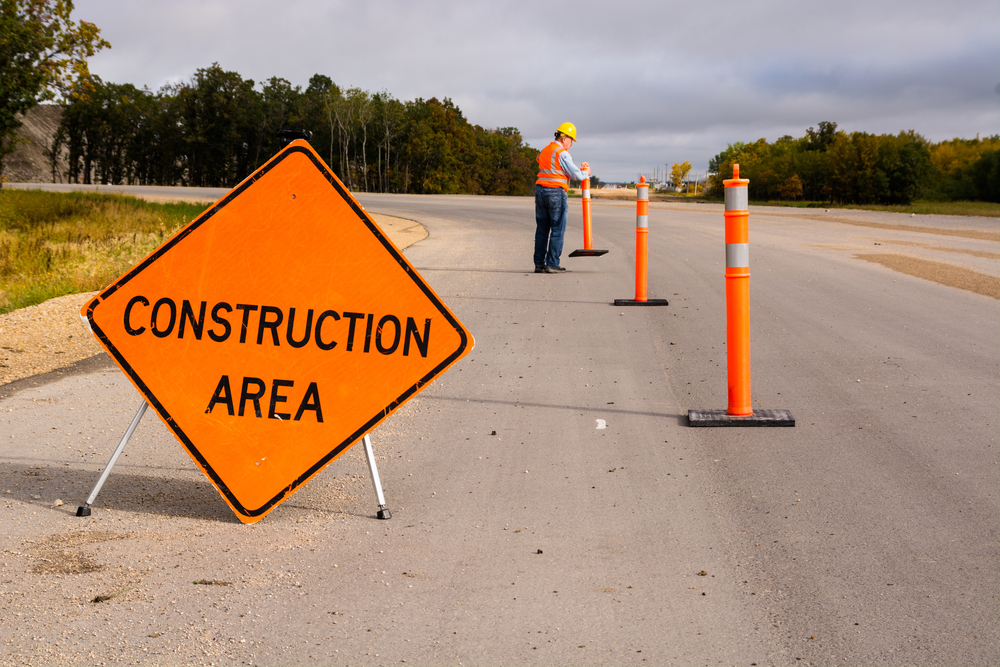
Temporary construction signs are used to manage traffic and inform road users of changing conditions due to construction, maintenance, utility work, or special events. These signs are inherently short-term, portable, and adaptable to evolving work zones. Permanent road signs, by contrast, are fixed installations intended to convey consistent regulatory, warning, or guide information over a long service life.
Temporary construction signs are typically deployed in work zones, detours, lane closures, and shoulder operations. Permanent road signs include stop signs, speed limit signs, wayfinding signs, and long-term warning signs that remain in place year-round. Although both fall under the umbrella of traffic control devices, the compliance frameworks that apply to each differ in important ways.
Governing Standards and Regulatory Oversight
Both temporary and permanent signs must comply with the Manual on Uniform Traffic Control Devices, commonly referred to as the MUTCD. However, the MUTCD treats temporary traffic control devices as a distinct category with additional requirements that reflect the dynamic nature of work zones.
For temporary construction signs, compliance focuses heavily on visibility, adaptability, and consistency across changing site conditions. These signs must meet MUTCD standards for color, shape, legend, and reflectivity, but they are also subject to work zone-specific provisions that address sign spacing, advance warning sequences, and coordination with channelizing devices.
Permanent road signs must comply with MUTCD standards as adopted by the Federal Highway Administration and implemented by state Departments of Transportation. In addition, permanent signs are often subject to state-specific supplements, municipal ordinances, and long-term asset management policies that dictate materials, installation methods, and inspection cycles.
Key regulatory distinctions include:
- Temporary construction signs are governed by Part 6 of the MUTCD, which addresses temporary traffic control.
- Permanent road signs fall under Parts 2 and 3 of the MUTCD, depending on their function.
- Temporary signs must often comply with project-specific traffic control plans approved by the owner or DOT.
- Permanent signs are typically installed under standardized sign plans and permitting processes.
Design and Material Compliance Differences
Material selection is one of the most significant compliance differences between temporary construction signs and permanent road signs. Because temporary signs are expected to be moved, replaced, or removed, they are generally constructed from lighter-weight substrates such as aluminum composite, roll-up vinyl, or thin-gauge aluminum panels.
Permanent road signs, on the other hand, are designed for durability over many years. They are typically fabricated from heavier gauge aluminum, mounted on breakaway posts, and engineered to withstand environmental exposure, wind loads, and impact requirements.
From a compliance standpoint, material differences influence:
- Minimum reflectivity levels and retroreflective sheeting classes.
- Structural support requirements and crashworthiness standards.
- Expected service life and warranty considerations.
- Maintenance and replacement schedules.
Temporary construction signs must meet minimum retroreflectivity requirements for the duration of the project. However, they are not held to the same long-term performance thresholds as permanent signs, which must maintain legibility and reflectivity over extended periods.
Placement, Height, and Spacing Requirements
Placement rules differ substantially between temporary construction signs and permanent road signs due to the changing conditions of work zones. Temporary signs must be placed to provide adequate advance warning based on roadway speed, traffic volume, and sight distance. The MUTCD specifies minimum distances for advance warning signs in work zones, and these distances can change as construction phases progress.
Permanent road signs have fixed placement criteria that are tied to roadway classification, lane configuration, and consistent sight lines. Once installed, their location typically remains unchanged unless roadway geometry or regulations are updated.
Compliance differences related to placement include:
- Temporary signs may be mounted on portable stands or trailer-mounted platforms.
- Permanent signs must meet minimum mounting heights and lateral offsets on fixed supports.
- Temporary signs may be repositioned daily or weekly as work zones evolve.
- Permanent signs require formal approval for relocation or removal.
Failure to comply with placement standards for either sign type can result in reduced effectiveness, increased crash risk, and potential regulatory penalties.
Maintenance and Inspection Obligations
Maintenance expectations vary significantly between temporary construction signs and permanent road signs. Temporary signs require frequent inspection because they are exposed to higher risks of damage, displacement, or obstruction due to construction activity and traffic interactions.
Compliance for temporary signs often includes daily or shift-based inspections to ensure signs remain upright, visible, and accurate. Any change in work zone conditions requires immediate updates to the signing plan. This makes maintenance an operational priority rather than a periodic task.
Permanent road signs are typically inspected on a scheduled basis, often annually or biennially, as part of a municipality or DOT asset management program. Compliance focuses on ensuring continued legibility, structural integrity, and retroreflectivity.
Key maintenance compliance considerations include:
- Temporary signs must be promptly removed when no longer applicable.
- Permanent signs must be replaced when retroreflectivity falls below minimum levels.
- Temporary signs require rapid repair or replacement if damaged.
- Permanent signs are documented and tracked as long-term infrastructure assets.
Enforcement and Liability Implications
The compliance differences between temporary construction signs and permanent road signs have direct implications for enforcement and liability. Work zones are high-risk environments, and improper or noncompliant temporary signing can expose contractors and owners to significant legal risk in the event of an incident.
Temporary construction signs must accurately reflect current conditions at all times. Outdated or misleading signs are a common source of liability claims. Regulatory agencies may issue citations or stop work orders if temporary traffic control does not meet approved plans or MUTCD standards.
Permanent road signs are generally the responsibility of the roadway owner. Liability issues related to permanent signs often involve failure to maintain visibility, improper placement, or delayed replacement after damage or regulatory changes.
Understanding and adhering to the correct compliance framework for each sign type helps reduce risk and demonstrates due diligence.
Procurement, Ownership, and Rental Considerations
Another major difference between temporary and permanent signs lies in how they are procured and managed. Permanent road signs are typically purchased as capital assets and installed for long-term use. Procurement processes may involve competitive bidding, standardized specifications, and long lead times.
Temporary construction signs are often rented or leased to provide flexibility and cost efficiency. Rental programs allow contractors and municipalities to scale their traffic control inventory based on project needs without committing to long-term ownership.
Compliance considerations tied to procurement include:
- Ensuring rented temporary signs meet current MUTCD and state standards.
- Verifying that permanent signs are fabricated to approved specifications.
- Maintaining documentation for inspection and audit purposes.
- Coordinating delivery, setup, and removal timelines for temporary devices.
Rental options are particularly valuable for advanced temporary traffic control technologies such as message signs, arrow boards, and speed feedback signs.
Integration of Smart Work Zone Technologies
Modern compliance expectations increasingly extend beyond static signs to include intelligent transportation systems and smart work zone solutions. Temporary construction environments often benefit from real-time traffic data, dynamic messaging, and automated warnings that enhance safety and mobility.
Temporary deployments may include:
- Trailer-mounted message signs with real-time updates.
- Arrow boards synchronized with lane closures.
- Queue detection and warning systems.
- Speed signs and conflict warning technologies.
- Trailer-mounted video cameras for monitoring and documentation.
Permanent road sign compliance is also evolving, but changes typically occur at a slower pace due to infrastructure constraints and funding cycles.
Planning and Implementation Best Practices
Achieving compliance for both temporary construction signs and permanent road signs requires careful planning from the design phase through deployment. Traffic control plans should clearly differentiate between temporary and permanent devices and specify applicable standards for each.
Best practices include:
- Conducting site-specific assessments to determine appropriate sign types.
- Coordinating with state and local authorities early in the planning process.
- Using compliant, well-maintained equipment from trusted providers.
- Documenting inspections, maintenance, and changes to traffic control setups.
By aligning planning and execution with the correct compliance framework, organizations can improve safety outcomes and reduce project delays.
Choosing the Right Partner for Compliant Traffic Control Solutions
Navigating the compliance differences between temporary construction signs and permanent road signs can be complex, particularly for projects that involve multiple phases, jurisdictions, or advanced technologies. Partnering with an experienced traffic safety provider helps ensure that every aspect of signing and traffic control meets regulatory expectations while supporting efficient operations.
Worksafe Traffic Control Industries has been providing smart traffic safety solutions throughout New England for over twenty-five years. As a manufacturer of municipal, highway, construction, and commercial signs and a reseller of traffic control devices and equipment, we offer both sales and rental options to meet diverse project needs. With a large fleet of message signs, arrow boards, traffic signals, trailer-mounted video cameras, queue detection systems, speed signs, and microwave technologies available for rent, we specialize in smart work zone and real-time traffic solutions. From the design phase to implementation and deployment, along with short or long-term 24/7 maintenance services and equipment repair, we deliver full-service support. Whether your project requires real-time traffic information, queue warning systems, dynamic lane merge, conflict warnings, or alternative route information, we are the ones to call. Contact us today to ensure your temporary and permanent traffic control solutions are compliant, effective, and built for safety.