Faded or damaged traffic signs can create legal liability for contractors because they fail to provide clear, compliant warnings that prevent accidents. When signage is not visible, legible, or properly maintained, it can be considered negligence under traffic safety standards. In the event of an accident, investigators often examine signage conditions, and deficiencies can directly lead to lawsuits, fines, and insurance claims.
- Poor signage visibility increases accident risk
- Non-compliance with MUTCD standards can trigger liability
- Lack of maintenance is often viewed as negligence
- Documentation and inspections are critical for defense
What Is Contractor Liability for Traffic Signage?
Contractor liability refers to the legal responsibility to maintain safe and compliant work zones, including proper signage. This includes ensuring all traffic control devices are visible, legible, and meet regulatory standards throughout the project lifecycle.
The Legal Duty to Maintain Safe Work Zones
Contractors working in public or private rights of way are required to maintain safe conditions. This includes proper installation and ongoing maintenance of traffic control devices found on professional traffic safety signage systems.
- Install compliant signage
- Ensure visibility and readability
- Maintain signs throughout the project
- Replace damaged or missing signs immediately
- Follow MUTCD and state regulations
The Manual on Uniform Traffic Control Devices (MUTCD) sets national standards. Failure to comply can support negligence claims if an accident occurs.
How Faded or Damaged Signs Cause Accidents
Traffic signs are designed for quick recognition. When they degrade, driver reaction time decreases, especially in complex work zones.
Common Sign Failures
- Faded colors that reduce contrast
- Peeling reflective surfaces
- Graffiti blocking key messages
- Bent or unstable signposts
- Obstruction from debris or vegetation
In construction zones, unclear signage can lead to rear-end collisions, lane confusion, and pedestrian incidents.
Negligence and Foreseeability
Courts often evaluate whether a contractor could have reasonably anticipated signage deterioration. Because wear and damage are predictable, contractors are expected to act proactively.
- Conduct routine inspections
- Document sign conditions
- Replace damaged signs quickly
- Maintain retroreflectivity standards
Failure to address known issues may be considered negligence, even if the contractor did not cause the damage.
Regulatory Compliance and Documentation
Maintaining compliance is essential not only for safety but also for legal protection. Contractors should keep detailed records and ensure alignment with guidelines provided through certified traffic control solutions.
Key Documentation to Maintain
- Installation records
- Inspection logs
- Maintenance and replacement reports
- Communication with agencies
Without documentation, defending against liability claims becomes significantly more difficult.
Work Zone Risks and Changing Conditions
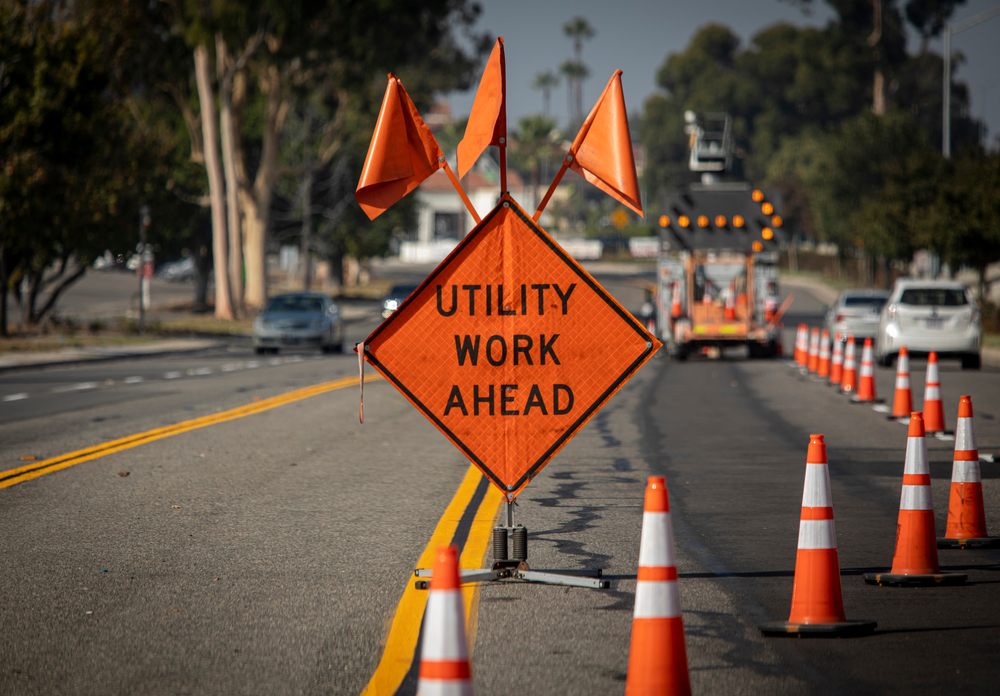
Work zones present elevated risk because traffic patterns shift frequently. Temporary signage must be constantly adjusted and monitored.
- Incorrect sign spacing
- Outdated detour messaging
- Missing warning signs
- Poor nighttime visibility
Night conditions further increase risk due to reduced lighting and reliance on reflective materials.
Insurance and Financial Impact
Signage-related incidents can lead to significant financial consequences, including:
- Property damage claims
- Medical expenses
- Legal fees
- Increased insurance premiums
Repeated issues may also affect insurability and future project opportunities.
The Role of High-Quality Signage
Using durable, compliant signage reduces long-term liability. High-quality materials maintain visibility and performance under harsh conditions.
Working with reliable providers ensures compliance and reduces the likelihood of unnoticed deterioration.
Best Practices to Reduce Liability
- Schedule regular inspections
- Conduct nighttime visibility checks
- Replace damaged signs immediately
- Train crews to identify hazards
- Document all maintenance activities
For project-specific guidance or safety planning, contractors can connect with traffic control experts to ensure compliance and risk reduction.
Experience-Based Insight
In real-world construction environments, signage often deteriorates faster than expected due to weather, traffic impact, and vandalism. Contractors who implement strict inspection routines and use higher-grade materials consistently experience fewer claims and smoother project execution.
FAQ: Faded Sign Liability for Contractors
Can a contractor be held liable for a faded sign?
Yes. If a faded or damaged sign contributes to an accident, contractors may be held liable for failing to maintain safe conditions. Courts often consider whether the issue was foreseeable and whether reasonable steps were taken to correct it.
What standards apply to traffic signage in work zones?
The MUTCD sets national standards for traffic control devices. Most states adopt these guidelines, making compliance mandatory for contractors working on public roadways and infrastructure projects.
How often should signage be inspected?
Signage should be inspected regularly and after major events such as storms or traffic impacts. Frequent inspections help identify visibility issues early and reduce the risk of accidents and liability.
Does documentation help reduce legal risk?
Yes. Detailed records of inspections, maintenance, and replacements demonstrate that a contractor took reasonable steps to maintain safety. This can be critical in defending against negligence claims.
Are temporary signs subject to the same rules?
Yes. Temporary work zone signage must meet the same visibility and compliance standards as permanent signs. Because conditions change frequently, temporary signs often require more frequent monitoring and adjustment.
Bottom Line
Faded or damaged signs are a preventable liability risk. Contractors who prioritize inspection, maintenance, and compliance not only improve safety but also protect their business from costly legal exposure. Proactive signage management is essential for both operational success and legal defensibility.